
Dr Renee Tan - Psychiatrist In Malaysia
Specialist in Psychiatry


At-a-Glance
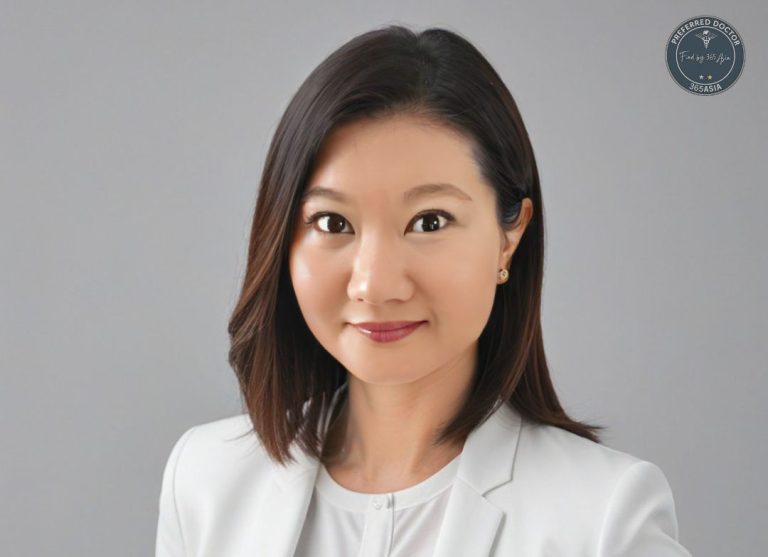
Dr Renee Tan is an NSR-registered Senior Consultant Psychiatrist at Amarantine Clinic with over a decade of clinical experience. She specialises in complex trauma recovery, adult ADHD assessments, and specialised women’s mental health.
✔ Areas of Expertise: Complex trauma recovery, adult ADHD assessments, specialised women’s mental health, depression, anxiety, bipolar disorder.
✔ Clinic: Amarantine Clinic
✔ Insurance Panels: Medefend
✔ Language: Bahasa, English, Mandarin
Know Before You Go: Dr Renee Tan is highly regarded for her expertise in integrating medical psychiatry with advanced, evidence-based psychotherapy. With over a decade of clinical experience, she adopts a holistic, trauma-informed approach that combines clinical precision with therapeutic depth,
empowering patients to achieve lasting psychological well-being and resilience.
the vision
Put Patients First and Prioritise their Needs.
“My journey into psychiatry was inspired by a deep passion for mental health, a desire to help others, and a profound curiosity about the complexities of the human mind and behaviour. I am particularly drawn to understanding the connection between emotional experiences, psychological well-being, and the human capacity for healing and personal growth.”
– Dr Renee Tan
Get To Know Dr Renee Tan
Dr Tan Huey Jing (Dr Renee Tan) is an NSR-registered Senior Consultant Psychiatrist with over a decade of clinical experience, recognised for her mastery in bridging medical psychiatry with advanced, evidence-based psychotherapy. She holds a Master of Psychological Medicine from the University of Malaya and possesses extensive training in trauma-informed modalities.
While managing a broad spectrum of general mental health conditions—including Depression, Anxiety, and Bipolar Disorder—Dr Renee specialises in high-impact clinical niches. She is a Interpersonal Psychotherapy (IPT) Practitioner and EMDR Therapist, specialising in complex trauma recovery, adult ADHD assessments, and specialised women’s mental health.
Dr Renee integrates psychiatric medicine with trauma-informed therapy to provide a sophisticated, holistic path for patients seeking long-term psychological resilience.
What Is Her Ethos In Medicine?
Dr Renee believes that meaningful healing begins where scientific precision meets compassionate, personalised care. She views psychiatric medicine and psychotherapy as complementary approaches that work best when thoughtfully integrated. Guided by a trauma-informed and holistic philosophy, she emphasises accurate diagnosis, evidence-based treatment, and a deep understanding of each individual’s unique experiences. Her goal extends beyond symptom relief—to empower patients towards lasting emotional well-being, psychological resilience, and a better quality of life.
If You Run Into Her Outside Work, You Are Likely To…
Find her enjoying a quiet cup of hot chocolate, exploring new wellness experiences, reading, reconnecting with nature, immersing herself in traditional Chinese dance or engaging in meaningful conversations about life, health, and everything in between.
Academic Qualifications
- MB BCh BaO – Royal College of Surgeons in Ireland (RCSI)
- MPM – Master of Psychological Medicine, University of Malaya (UM, 2015)
Publications
- Tan HJR. When all else fails, supervised treatment in out-patient for Schizophrenia (STOPS. BMJ CaseRep. Published Online First: [12 September 2017] doi:10.1136/bcr-2017-221518
- Tan HJR. Mood disorder masking delusional disorder. IJPCP. Published online 25 April 2018
- Tan HJR. Anne Yee. Ahmad Hatim Sulaiman. Mas Ayu Said. Mahmoud Danaee. Ahai Chang Lua. Effects of a school-based substance use prevention program on students in Malaysia. Journal of Health and Translational Medicine. Published online 2 July 2018
- Tan HJR. Schema therapy: an experiential approach to dealing with maladaptive schema mode. BioMed Journal of Scientific & Technical Research. Published online 15 August 2018.
- Tan HJ, Muhammad Irfan BM. Hydrocephalus and Catatonia: Is there a Link? ASEAN Journal of Psychiatry. Published online December 2018.
- E. Chan. Tan HJR. Schema Mode Chemistry. Presented at 27th European Psychiatric Association Conference 2019, Warsaw, Poland.
- Tan HJR, Devadas S, Aisyah A. Validation of Malay Translation of Brief Core Schema Scale (BCSS-M). Biomed J Sci & Tech. 21 August 2019. 20(4). doi 10.26717/BJSRT.2019.20.003495
- E. Chan, Tan HJR. Positive Psychology Couple Schema Therapy: A new model of couple therapy focusing on reigniting couple attraction via schema therapy and positive psychology. Journal for ReAttach Therapy and Developmental Diversities. Published online 22nd Jan 2020. 2(2):61-69
- Tan HJR. An Illustration on Interpersonal Therapy for Perinatal Depression. Case Report for Psychiatry. Published online 14th October 2020. Article ID 8820849, 7 pages, https://doi.org/10.1155/2020/8820849 8820849
- Tan HJR, WY Lim, SM Ooi. Psychometric Properties of the Mandarin Translation of Brief Core Schema Scale (BCSS-C). ASEAN Journal of Psychiatry. 2020.
- Devadas S, Sin MY, Tan HJR. Anti-NMDA Receptor Encephalitis Tricks Everyone. A Diagnostic Challenge. MJP. 2021
- Yong SL, Tan HJR, Chemi N, Syed Mokhtar S, Neo YW, Mohd Zamri NM, Sahida E, Sue KT. Prescribing Pattern of Benzodiazepine Receptor Agonists (BZRA) and Factors Associated with Duration of BZRA Use in a Malaysian Psychiatry Outpatient Clinic. Malaysian Journal of Medicine and Health Sciences. 2022.
- Tan HJR, Ling SL, Khairuddin N, et al. (May 18, 2024) Psychometric Properties of the Malay Translation of the Medication Adherence Rating Scale. Cureus 16(5): e60570. doi: 10.7759/cureus.60570
- Tan HJR, Ling SL, Khairuddin N, et al. (May 20, 2024) Validation of the Malay Translation of Drug Attitude Inventory. Cureus 16(5): e60715. doi:10.7759/cureus.60715
- Tan HJR, Ling S, Khairuddin N, et al. (June 10, 2024) TechnologyBased Strategy to Improve Medication Compliance Among Patients With Schizophrenia Spectrum Disorders. Cureus 16(6): e62106. doi:10.7759/cureus.62106
- Tan, HJR. (2025). Delirium. In: Swarna Nantha, Y. (eds) Screen, Diagnose, Manage and Monitor. Springer, Singapore. https://doi.org/10.1007/978-981-97-7640-5_82
- Tan, HJR. (2025). Dementia. In: Swarna Nantha, Y. (eds) Screen, Diagnose, Manage and Monitor. Springer, Singapore. https://doi.org/10.1007/978-981-97-7640-5_83
10 Questions & Answers
1. What motivated you to choose psychiatry as a career? How has your journey shaped your perspective on mental health?
Choosing psychiatry as a career was driven by my deep passion for mental health, my desire to help others, and my fascination with human thoughts and behaviour. This journey has reinforced my belief that mental health is just as vital as physical health, and addressing it with compassion and expertise can transform lives.
2. Can you elaborate on your approach to patient care?
My approach to patient care is personalised, compassionate, and grounded in empathetic listening and emotional validation. I adopt a holistic biopsychosocial model, recognising the interconnectedness of biological, psychological, social, and spiritual dimensions of well-being. I believe in empowering patients through informed, collaborative decision-making while respecting their individual values and autonomy. This fosters a trusting therapeutic relationship, where treatment decisions are made collaboratively for optimal outcomes.
3. What signs or symptoms indicate that someone should seek psychiatric consultation?
Individuals should consider seeking psychiatric help if they experience:
- Persistent mood changes – ongoing anxiety, prolonged sadness, or loss of interest.
- Disrupted sleep patterns or appetite changes – insomnia, excessive sleeping, significant weight loss/gain.
- Difficulty managing stress – inability to cope with daily pressures.
- Concentration and decision-making issues – trouble focusing or making choices.
- Suicidal thoughts or self-harming behaviour – any thoughts of self-harm require immediate attention.
- Sudden personality or behavioural shifts – unexplained mood swings or unusual behaviour.
- Memory or cognitive issues – confusion or forgetfulness.
- Decline in work, academic performance, or relationships – struggling due to mental health concerns.
4. How do you ensure patients fully understand their treatment options?
I believe that clear, honest, and compassionate communication is fundamental to effective psychiatric care. This includes detailing diagnoses, symptoms and treatment options, including their indications, potential benefits, risks, expected duration, and prognosis. I encourage open dialogue, ensuring patients feel comfortable asking questions, expressing concerns, and actively participating in decisions about their care. Treatment plans is tailored to each individual’s needs, values, and lifestyle, by allowing informed decision-making, and promote meaningful engagement and long-term treatment success.
5. How do you stay updated on the latest developments in psychiatry? What resources do you find most valuable?
To stay current, I actively engage in research, read academic journals, and attend both local and international psychiatric conferences. Continuous learning is essential to providing the best care.
6. What are the most exciting advancements in psychiatry, and how will they impact patient care?
Some of the most exciting advancements in psychiatry are:
- Telepsychiatry – Making mental healthcare more accessible and convenient by allowing patients to receive consultations and ongoing treatment remotely, overcoming geographical barriers.
- Precision Psychiatry – Advances in genomics, neuroimaging, and biomarker research are paving the way for more personalised treatment approaches, with the potential to improve treatment outcomes and reduce trial-and-error prescribing.
- New Pharmacological Treatments – Emerging treatments offer new possibilities for patients with treatment-resistant disorders
- Virtual Reality (VR) Therapy – Providing immersive, controlled environments to complement psychotherapy particularly in treating phobias, anxiety disorders, and posttraumatic stress disorder (PTSD).
- Integrative Psychiatry and Spiritual Well-being – Growing recognition of the connection between mental, physical, emotional, and spiritual well-being encourages a more holistic approach to psychiatric care.
7. Can you share a particularly challenging or memorable patient case?
One case that stands out involved a patient struggling with severe, treatment-resistant depression. She had tried multiple antidepressants with little success. Upon deeper investigation, she revealed experiencing persistent paranoid delusions—something she had previously withheld from other doctors out of fear of dismissal.
Her depression was actually secondary to these delusions. After adjusting her treatment plan to address the underlying psychotic symptoms, and with strong family support, she began to show significant improvement. This case reinforced the importance of trust, thorough assessment, and the need to look beyond surface symptoms.
8. What are some common misconceptions about psychiatry, and how do you address them?
One of the most common misconceptions about mental health is that psychological struggles are simply a result of “overthinking,” weakness. Many believe that conditions such as depression and anxiety can be overcome by simply “staying strong” or “thinking positively’ . Some also perceive psychiatric conditions as purely spiritual issues rather than medical conditions, overlooking the complex biological, psychological, and social factors involved.
Stigma surrounding mental illness remains a very real challenge. Fear of being judged, labelled, or discriminated against often prevents individuals from acknowledging their struggles or seeking professional help.
In todays digital age, Google and social media have introduced additional challenges. Patients may become overly focused on potential medication side effects without fully understanding the benefits and risk of not seeking treatment. This can lead to poor treatment adherence, self- medication, or premature discontinuation, potentially prolonging illness, increasing relapse risk, and affecting long-term prognosis.
I believe that education, open communication, and a non-judgmental approach are essential in addressing these misconceptions. Educating patients and the public about mental health is crucial in breaking down these barriers, reducing stigma, and encouraging individuals to seek the support they need.
9. How do you maintain work-life balance while staying energised and engaged with patients?
Maintaining a healthy work-life balance is key to providing high-quality patient care. I prioritize self-care, set professional boundaries, and engage in activities outside of work that bring me joy, such as Chinese dance classes and sound healing sessions. Recognizing signs of burnout and taking proactive steps to recharge ensures I can continue delivering compassionate and effective care.
10. What advice would you give to those considering a career in psychiatry, especially regarding patient treatment and mental health advocacy?
Psychiatry is a deeply fulfilling field that requires a strong understanding of human behaviour, emotions, and thought processes. To excel, aspiring psychiatrists must cultivate curiosity, empathy, and active listening skills, creating a safe space where patients feel heard and supported.
Many psychiatrists enter the field not just as a career choice but as a calling. Beyond clinical practice, psychiatrists play a crucial role in combating mental health stigma and advocating for compassionate, ethical care. If you’re drawn to making a profound impact on people’s lives, psychiatry can be an incredibly rewarding profession.
All content on this site is informative only and is not intended to be a substitute for professional medical advice,
diagnosis, or treatment, and should never be relied upon for specific medical advice.
If you are experiencing a medical emergency, call 999 immediately or go to the nearest Accident & Emergency department.
365Asia is a member of Group 365Asia.