Women’s Health, Malaysia - Learn About IVF, Egg Freezing, And More.
Women’s health encompasses a range of dedicated medical services addressing female reproductive wellness, fertility preservation, gynaecological care, and maternal health. In Malaysia, healthcare services spanning assisted reproduction and gynaecological care are available across private and public facilities, making timely consultation and early clinical assessment helpful steps in managing reproductive health.
EPF (KWSP) Withdrawal & Tax Relief for Women’s Health
Financing healthcare in Malaysia can involve a combination of government tax incentives, provident fund withdrawals, and private insurance.
EPF (KWSP) Health Withdrawal: Eligible members undergoing qualified fertility treatments (IVF, IUI, ICSI) can utilise funds from their EPF Akaun Sejahtera. This applies to legally married couples under 55 years of age who have savings in Akaun Sejahtera and receive treatment at recognised local medical institutions. Submission requires the official KWSP medical report (LPP-2), itemised bills, and receipts.
Personal Income Tax Relief: Under Inland Revenue Board (LHDN) guidelines, resident individual taxpayers can claim tax relief of up to RM10,000 for qualifying medical expenses. This deduction explicitly covers comprehensive medical health examinations (capped at RM1,000 inside the total cap), serious disease treatments, and qualifying fertility treatments (such as IVF and IUI) for married individuals or their spouses.
Private Health Insurance: Medical cards in Malaysia generally cover medically necessary gynaecological treatments, surgical interventions (such as laparoscopy for endometriosis or fibroid removal), and acute care depending on individual policy terms. Elective procedures, routine health screenings, and fertility treatments are usually excluded unless specified in individual policies.
Protect Your Gynaecological And Reproductive Health – Plan Ahead
Female health needs evolve across different life stages—from adolescent gynaecology and reproductive planning to menopausal management. Taking a proactive approach through annual health screenings enables early detection of asymptomatic conditions such as ovarian cysts, uterine fibroids, or hormonal imbalances before they affect fertility or daily life.
What are the recent statistics regarding fertility and women’s health in Malaysia?
According to the Department of Statistics Malaysia (DOSM), Malaysia’s Total Fertility Rate (TFR) fell to 1.6 children per woman aged 15–49 in 2024 (down from 1.7 in 2023). Demographic data links this trend in part to shifts such as delayed marriage and increased maternal age at first birth. Alongside fertility trends, common benign gynaecological conditions like uterine fibroids, ovarian cysts, and Polycystic Ovary Syndrome (PCOS) remain frequently diagnosed among women of reproductive age in clinical practice.
What underlying gynaecological conditions can affect reproductive health and fertility?
Common gynaecological conditions that can impact comfort, menstrual health, and reproductive capacity include:
Polycystic Ovary Syndrome (PCOS): A endocrine disorder characterised by irregular menstrual cycles, anovulation, elevated androgen levels, and multiple small ovarian follicles, often requiring lifestyle and medical management.
Uterine Fibroids: Non-cancerous muscular growths in the uterine wall that can cause heavy menstrual bleeding, pelvic pressure, or potentially interfere with embryo implantation depending on their size and location.
Ovarian Cysts: Fluid-filled sacs on the ovaries (such as functional cysts, dermoid cysts, or endometriomas) that may require monitoring or laparoscopic removal if they cause pain, persistent growth, or structural changes.
Endometriosis: A condition where tissue similar to the lining of the uterus grows outside the uterine cavity, leading to chronic pelvic pain, painful periods, and pelvic adhesions that can affect fallopian tube function.
What routine gynaecological screenings should Malaysian women undergo?
Preventative health screenings vary by age and medical history, but generally include:
Pap Smear / HPV DNA Test: Recommended for sexually active women to screen for cervical cell changes and high-risk human papillomavirus (HPV) strains.
Pelvic Ultrasound: Transvaginal or transabdominal ultrasound scans to evaluate uterine structure, check endometrial thickness, and inspect the ovaries for cysts or fibroids.
Hormonal & Health Panels: Blood tests checking thyroid function, fasting glucose, lipid profiles, and hormone levels (such as LH, FSH, or prolactin) when investigating irregular cycles or suspected PCOS.
What is the distinction between IVF and Egg Freezing?
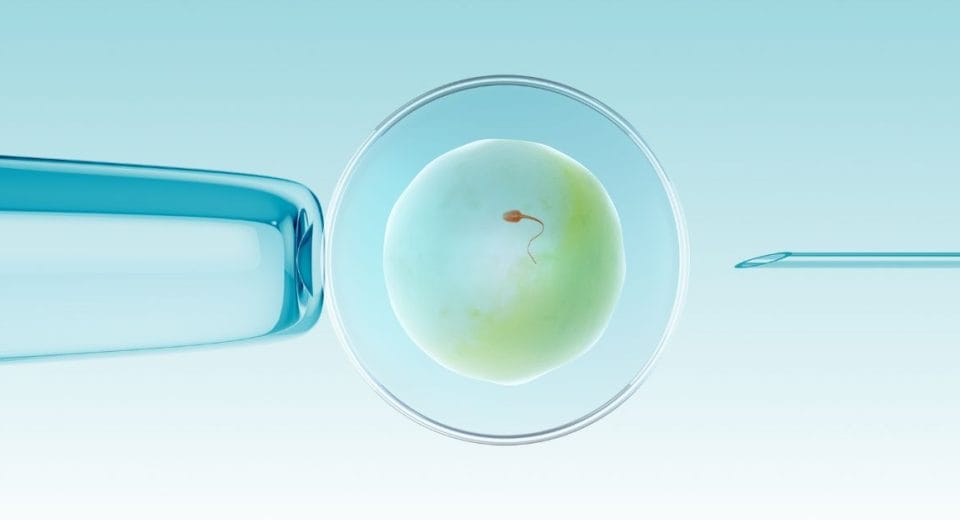
In-vitro fertilisation (IVF) involves retrieving mature eggs from the ovaries, fertilising them with sperm in a laboratory environment, and culturing resulting embryos for potential transfer into the uterus or for cryopreservation. Egg freezing (mature oocyte cryopreservation) involves retrieving and freezing unfertilised eggs for future use, though it does not guarantee a successful pregnancy or live birth in the future.
What are the regulations regarding elective egg freezing in Malaysia?
In Malaysia, non-Muslim women can access elective (social) egg freezing through participating private fertility centres. For Muslim women, religious rulings issued by relevant Islamic authorities—such as guidance from the Federal Territory Mufti Department—prohibit egg freezing for reasons such as delayed marriage, while permitting medically indicated preservation (e.g., prior to gonadotoxic cancer treatments) provided fertilisation and use occur within a valid legal marriage.
What preliminary tests are conducted before starting fertility procedures?
Clinical evaluations vary depending on whether an individual is undergoing egg freezing or a couple is initiating IVF. Common baseline investigations include:
Anti-Müllerian Hormone (AMH) Test: A blood test used to assess ovarian reserve (egg quantity).
Transvaginal Ultrasound: Performed to assess pelvic anatomy and determine the antral follicle count (AFC).
Infectious Disease Screening: Screening panels (such as HIV, Hepatitis B and C, and Syphilis) conducted prior to handling reproductive tissue, in accordance with individual fertility centre protocols.
Baseline Hormone Panels: Blood tests assessing levels of FSH, LH, and Oestradiol based on individual medical indication.
Semen Analysis: An investigation performed as part of the fertility assessment for IVF involving sperm from a male partner to evaluate count, motility, and morphology.