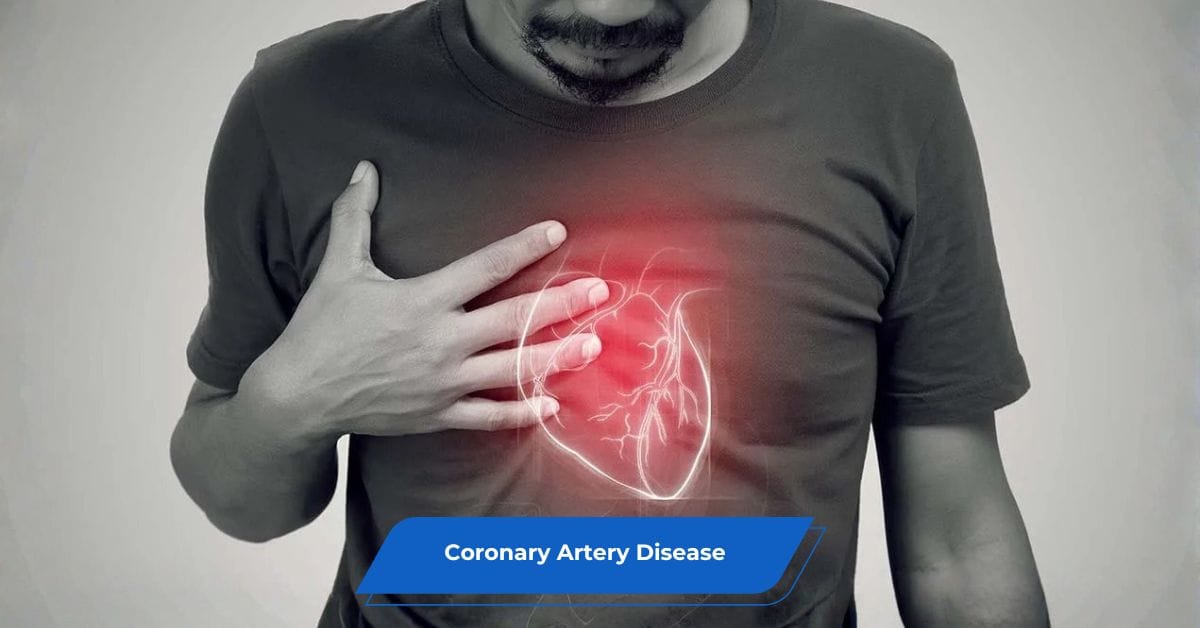
Heart And Vascular Disease, Malaysia - Learn About Coronary Artery Disease, Heart Failure, And More.
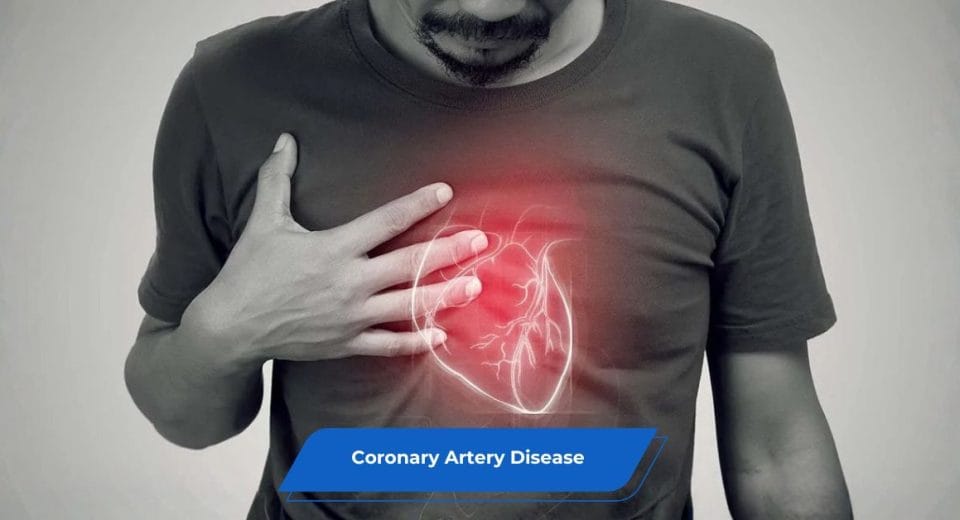
Heart and vascular disease refers to a spectrum of conditions affecting the cardiovascular system, including coronary artery disease, heart failure, heart rhythm disorders (arrhythmias), valve diseases, and congenital heart anomalies. In Malaysia, cardiovascular conditions represent a primary health concern among adults. Timely identification and structured management of underlying cardiovascular risk factors—such as hypertension, elevated cholesterol, and diabetes—are vital to reducing long-term health complications.
If you are seeking a medical specialist for the diagnosis, evaluation, and management of heart conditions in Malaysia, here is our Preferred Doctor to consider:
Dr John Chan Kok Meng is a cardiothoracic surgeon in Malaysia (Kuala Lumpur). He specialises in treating adult heart, aorta, lung, and thoracic diseases. In addition, he has published numerous academic papers in related fields and was awarded the Hunterian Professorship by the Royal College of Surgeons of the United Kingdom for his outstanding contributions .
Navigating healthcare costs for chronic cardiovascular care in Malaysia involves understanding both public and private financing frameworks, including medical insurance and local subsidy schemes.
Malaysian citizens and permanent residents may apply to withdraw funds from their Employees Provident Fund (EPF / KWSP) Account 2 (Akaun Sejahtera) to assist with medical expenses for critical illnesses, including severe coronary artery disease and advanced heart failure:
Approved Critical Illnesses: Covers specified medical treatments, surgical interventions (such as coronary artery bypass grafting or angioplasty), and long-term equipment requirements for the member or immediate family members.
Coverage Scope: Subject to approval based on eligible medical costs not fully covered by employer benefits or private medical insurance.
The Malaysian government provides the PeKa B40 scheme for eligible low-income individuals (B40 group) aged 40 and above:
Free Health Screening: Includes screening for non-communicable diseases (NCDs) such as hypertension and diabetes, which are key risk factors for heart disease.
Medical Equipment Aid: Financial assistance up to a maximum limit for required medical equipment (such as heart stents or pacemakers) used during treatment at Ministry of Health (MOH) hospitals.
Completing Cancer & Chronic Disease Treatment Incentive: Additional support for completing prescribed medical care within public facilities.
Private Medical Insurance & Guarantee Letters (GL)
Patients opting for care in private medical centres generally rely on private health insurance coverage:
Panel Hospitals: Most private health facilities issue standard Guarantee Letters (GL) through major Malaysian insurance providers for direct billing during inpatient admissions or day-procedure cardiac interventions.
Outpatient Coverage: Chronic disease follow-up care and routine medication management may require riders or reimbursement depending on individual policy terms.
Screen & Protect Your Heart – Detect Risks Early
Cardiovascular conditions frequently develop gradually over time without initial overt symptoms. Whether you require a routine health screening or wish to consult a specialist regarding personal risk factors, taking early, proactive steps remains essential for maintaining long-term cardiovascular health.
What are the statistics for heart disease in Malaysia?
Cardiovascular disease, particularly ischaemic heart disease (coronary artery disease), remains a leading cause of mortality in Malaysia. According to data from the Department of Statistics Malaysia (DOSM) and the Ministry of Health, ischaemic heart disease accounts for approximately 16% to 18% of medically certified deaths nationally. It affects both men and women, with an increasing prevalence among individuals over the age of 40, alongside a rising incidence of contributing factors such as diabetes, hypertension, and hypercholesterolaemia.
How can I reduce my risk of developing heart disease?
Adopting a balanced, nutrient-dense diet is one of the primary measures to reduce overall cardiovascular risk. A structured dietary pattern helps regulate blood cholesterol levels, systemic blood pressure, and blood glucose.
Key dietary and lifestyle guidance includes:
Increase Whole Foods: Incorporate a higher proportion of vegetables, fruits, legumes, and whole grains into daily meals.
Replace Unhealthy Fats: Reduce dietary intake of saturated fats and avoid artificial trans fats. Opt for unsaturated fats such as those found in nuts, seeds, and vegetable oils (e.g., olive or canola oil).
Select Lean Proteins: Choose lean protein sources, including poultry, fish, and legumes, while moderating the intake of high-fat red meats and processed meats.
Limit Sodium Intake: Reduce salt consumption during cooking and limit pre-packaged, processed foods to assist with blood pressure control.
Maintain Physical Activity: Engage in regular moderate-intensity aerobic exercise (such as brisk walking or swimming) for at least 150 minutes per week.
Avoid Tobacco Use: Refrain from smoking or using tobacco products, as smoking significantly increases vascular inflammation and arterial stiffness.
What are the common screening tests for heart disease in Malaysia?
Clinical investigations commonly utilised by general practitioners and cardiologists in Malaysia to assess heart health include:
Blood Investigations: Fasting lipid profile, fasting blood glucose or HbA1c, full blood count, and renal function tests.
Resting Electrocardiogram (ECG): Measures the electrical activity of the heart to identify irregular rhythms or prior ischaemic changes.
Chest X-Ray: Evaluates heart size, cardiac silhouette, and lung field congestion.
Exercise Stress Test (Treadmill Test): Assesses heart function and blood supply during physical exertion.
Echocardiogram: An ultrasound scan that evaluates the structural integrity of the heart chambers, wall movement, and valve function.
CT Coronary Angiogram: A specialized non-invasive imaging scan providing detailed visual structures of the coronary arteries to check for calcium deposits or plaque blockages.
Is it normal to see an irregular heartbeat notification on my home blood pressure monitor?
Occasional extra heartbeats (such as premature atrial or ventricular contractions) can trigger an irregular heartbeat indicator on automated home monitors. In addition, persistent rhythm disturbances such as atrial fibrillation may also cause these warnings. While isolated occurrences can happen without underlying disease, persistent or frequent alerts should be evaluated by a medical professional or cardiologist to determine if further diagnostic monitoring (such as a 24-hour Holter monitor) is required.
How will a heart murmur affect a child as they grow up?
Heart murmurs in children are sounds made by blood circulating through the heart chambers and valves. They fall into two main categories:
Innocent (Flow) Murmurs: These occur when blood flows rapidly through a structurally normal heart and healthy blood vessels. They are common in growing children, do not cause health complications, and often disappear over time without requiring treatment.
Pathological Murmurs: These are caused by underlying structural heart anomalies, such as congenital heart defects (for example, septal defects or valve narrowings). Depending on the specific diagnosis, medical monitoring or surgical repair may be required.
If a heart murmur is detected in a child, an evaluation by a paediatrician or paediatric cardiologist is recommended to confirm whether the murmur is innocent or structural.