
Bone & Orthopaedic Health, Malaysia – Learn About Sports Injuries, Joint Pain, And More.
Bone & Orthopaedic Health, Malaysia - Learn About Sports Injuries, Joint Pain, And More.
Bone and orthopaedic health refers to the health and function of the musculoskeletal system, which includes bones, joints, muscles, ligaments, tendons and cartilage. These structures support movement, stability and physical activity. In Malaysia, people may seek orthopaedic care for a range of conditions, including sports injuries, fractures, osteoarthritis, tendon problems and other causes of joint pain. Early assessment, appropriate treatment and rehabilitation can help manage symptoms, restore function and support long-term mobility.
Editor's Picks
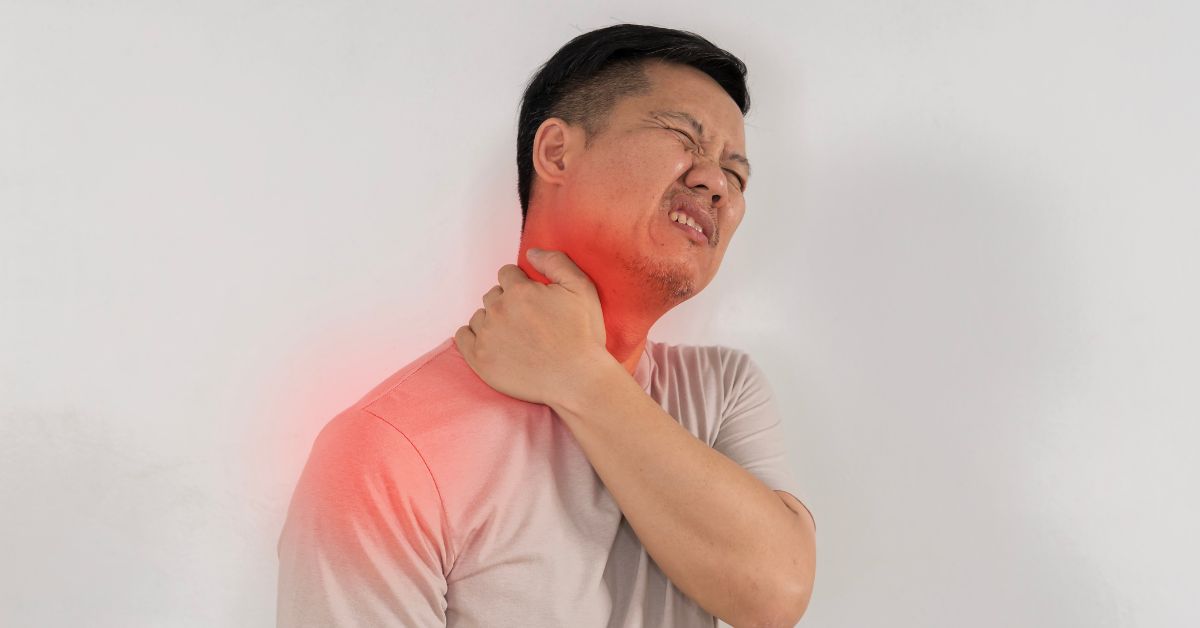
Shoulder Pain Treatment in Malaysia: Causes, Procedures, and Cost Guide
- October 5, 2026
- 335 Views
- Reading Time: 6 minutes
Find by 365Asia
Find A Doctor
If you are looking for a specialist to assess or treat a bone, joint or musculoskeletal condition, here are some doctors you may consider:
More Orthopaedic Specialists Options
Financials
EPF Akaun Sejahtera, Insurance Coverage and Financial Assistance for Orthopaedic Care
The cost of orthopaedic care in Malaysia depends on the condition, diagnostic tests, treatment approach, hospital and rehabilitation requirements. Patients considering private treatment can review their insurance benefits and check whether they qualify for applicable financial assistance.
Employees Provident Fund (EPF) Akaun Sejahtera
EPF members may apply for a Health Withdrawal from Akaun Sejahtera for eligible medical expenses involving approved illnesses, medical treatments and healthcare equipment, subject to EPF’s requirements.
Eligibility is not automatic for every orthopaedic condition or procedure. Patients should check the current list of approved illnesses, documentation requirements and applicable withdrawal conditions directly with the Employees Provident Fund (KWSP) before making financial arrangements.
Private Medical Insurance
Private medical insurance may cover eligible orthopaedic treatment, including hospitalisation, surgery and certain diagnostic procedures, depending on the policy.
Coverage for outpatient consultations, physiotherapy, rehabilitation, medical devices and pre- or post-hospitalisation care varies between policies. Patients should check exclusions, annual limits, waiting periods, panel requirements and pre-authorisation conditions with their insurers before proceeding with treatment.
SOCSO (PERKESO) Benefits
Eligible employees who sustain work-related injuries or occupational diseases may qualify for medical benefits and rehabilitation under PERKESO’s Employment Injury Scheme. Qualifying commuting accidents may also be covered, subject to the scheme’s conditions.
Eligible self-employed individuals may have access to benefits under the applicable self-employment social security scheme. Patients should confirm their eligibility and the relevant claims process with PERKESO.
Government and Private Specialist Care
Malaysia’s Ministry of Health (MOH) hospitals provide public healthcare services, including orthopaedic assessment and treatment. Access, fees and waiting times depend on the facility, referral pathway and clinical urgency.
Private hospitals and specialist clinics offer alternative care pathways, with costs varying according to the specialist, investigations, treatment and hospital facilities selected.
Check the latest requirements directly with EPF (KWSP), PERKESO and your insurance provider before making treatment or payment decisions.
Protect Your Mobility – Recognise Bone and Joint Problems Early
Whether you are experiencing persistent joint discomfort, recovering from a sports injury or seeking an assessment for reduced mobility, an orthopaedic specialist can help identify the underlying problem and discuss suitable treatment options. Depending on the diagnosis, management may include activity modification, medication, physiotherapy, injections or surgery.
Seek prompt medical attention after a significant injury, particularly if you experience severe pain, marked swelling, an obvious deformity, inability to bear weight or a sudden loss of function.
Related Content
FAQs
What are common sports injuries treated by orthopaedic specialists in Malaysia?
Orthopaedic specialists may assess a variety of sports-related injuries, including:
- Anterior cruciate ligament (ACL) injuries: Damage to a ligament that helps stabilise the knee, sometimes occurring during sudden stops, changes of direction or landing.
- Meniscal tears: Injuries to the cartilage that cushions the knee joint, which may occur during twisting movements or other trauma.
- Ankle sprains: Stretching or tearing of the ligaments supporting the ankle.
- Rotator cuff injuries: Damage to the tendons or muscles that help stabilise and move the shoulder.
- Tendon injuries: Conditions such as Achilles tendinopathy, which can develop following repetitive loading or changes in training intensity.
These injuries can occur during activities such as badminton, football, running, court sports and other forms of exercise. Treatment depends on the type and severity of the injury, the individual’s activity level and their recovery goals. Some injuries can be managed with rehabilitation, while others may require further investigations or surgery.
What sports injuries can occur during pickleball?
Pickleball involves short bursts of movement, changes of direction and repetitive use of the arm. As with other court sports, players may experience ankle sprains, calf strains, muscle strains or tendon-related pain.
Repetitive gripping and wrist movements may also contribute to elbow pain, including lateral epicondylalgia, commonly known as tennis elbow. However, these conditions are not unique to pickleball, and not every episode of elbow pain is caused by the sport.
The risk of injury may be influenced by physical conditioning, playing technique, previous injuries, footwear and training intensity. Players can help reduce their risk by warming up, building activity levels gradually, strengthening supporting muscles and allowing adequate recovery between sessions.
How can I reduce my risk of sports-related bone and joint injuries?
The following measures may help reduce the risk of some sports injuries:
- Warm up before exercise: Begin with light aerobic activity and movements appropriate to the sport.
- Build strength and conditioning: Exercises that strengthen the muscles supporting the knees, hips, ankles and shoulders may improve physical capacity.
- Progress gradually: Avoid sudden increases in training frequency, duration or intensity.
- Use suitable equipment: Choose footwear appropriate for the activity and playing surface, and ensure sports equipment fits comfortably.
- Learn appropriate techniques: Good movement patterns may help reduce unnecessary strain on joints and soft tissues.
- Allow recovery: Rest and adjust activity when experiencing persistent pain or unusual fatigue.
These measures cannot prevent every injury. Seek assessment if pain persists, worsens or interferes with normal activity.
What diagnostic tests may be used for bone, joint and soft-tissue conditions?
An orthopaedic specialist selects investigations based on the symptoms, physical examination and suspected condition. Common tests include:
- X-rays: Often used to assess fractures, bone alignment, joint changes and some signs of osteoarthritis.
- Magnetic resonance imaging (MRI): Provides detailed images of soft tissues, including ligaments, tendons, cartilage and menisci. It may be recommended when the findings could affect diagnosis or treatment.
- Computed tomography (CT): Provides detailed cross-sectional images of bones and can help assess complex fractures.
- Ultrasound: May be used to assess certain tendons, muscles, superficial soft-tissue abnormalities and joint fluid.
- Dual-energy X-ray absorptiometry (DEXA or DXA): Measures bone mineral density and may be recommended to assess osteoporosis risk.
Not everyone needs all these tests. For example, a straightforward ankle sprain may be assessed clinically, with an X-ray considered when a fracture is suspected. The choice of investigation depends on the individual clinical circumstances.
Is knee clicking or popping during exercise normal?
Painless knee clicking or popping is common and does not necessarily indicate damage. It may arise from movement of tendons or other tissues, or from changes in pressure within the joint.
However, clicking accompanied by pain, swelling, locking, instability or difficulty bearing weight should be assessed by a healthcare professional.
These symptoms may indicate an underlying joint or soft-tissue problem.
A sudden injury followed by substantial swelling, an inability to straighten the knee or difficulty walking warrants prompt medical assessment.
How does orthopaedic treatment differ for children and adults?
Children’s bones are still developing, and the growth plates near the ends of certain bones require particular consideration when assessing injuries. Some fractures involving these areas need timely specialist assessment because damage can affect subsequent bone growth.
Treatment depends on the child’s age, the type and location of the injury, its severity and the amount of growth remaining. Depending on the circumstances, management may include observation, casting, bracing or surgery.
Children’s healing and rehabilitation needs differ from those of adults, but it is not accurate to assume that every childhood injury heals faster or requires less treatment. Suspected fractures, persistent pain, deformity or difficulty using a limb should be assessed by an appropriate healthcare professional.
Additional Resources
- History of MOA | Malaysian Orthopaedic Association. Available from: https://moa-home.com/history.html