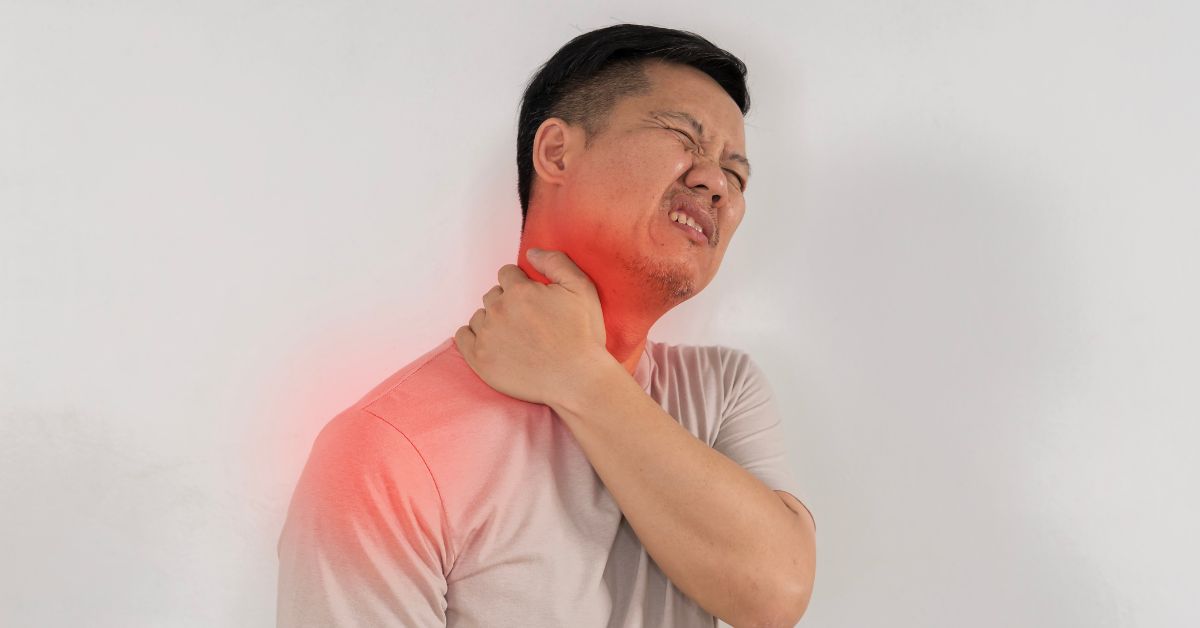
Shoulder pain is common and can affect sleep, work and everyday activities. Persistent or severe symptoms should be assessed to determine the underlying cause and appropriate treatment.
Malaysia has both public and private healthcare facilities providing orthopaedic and rehabilitation services. Private hospitals are commonly used by local patients and international patients seeking specialist assessment and treatment.
This guide provides an in-depth breakdown of shoulder pain management in Malaysia, including diagnostic steps, treatment options, estimated treatment costs from publicly available online sources, and financial coverage information regarding insurance and government schemes.
Learn more: Shoulder Pain
Common Causes of Shoulder Pain
The shoulder is a complex joint supported by bones, muscles, tendons, ligaments and other soft tissues. Identifying the underlying cause of shoulder pain usually begins with a clinical assessment, with specialist evaluation considered depending on the severity and nature of the symptoms.
Common conditions that can cause shoulder pain include:
- Rotator Cuff Tears: Partial- or full-thickness tears of one or more rotator cuff tendons. They can develop through age-related tendon changes or occur following an injury.
- Adhesive Capsulitis (Frozen Shoulder): Progressive stiffness and pain caused by the tightening and thickening of the shoulder joint capsule.
- Rotator Cuff-Related Shoulder Pain / Subacromial Pain: Pain arising from structures around the rotator cuff and subacromial space, often associated with shoulder movement and loading.
- Shoulder Osteoarthritis: Breakdown of protective cartilage within the shoulder joint, leading to stiffness, aching and reduced joint movement.
- Biceps Tendinopathy: Irritation or structural changes affecting the long head of the biceps tendon, causing pain at the front of the shoulder.
- Labral Tears: Injury to the labrum, the cartilage-like tissue that helps deepen and stabilise the shoulder socket. Labral injuries can occur following trauma, dislocation or repetitive shoulder loading.
- Joint Instability, Subluxation or Dislocation: Shoulder instability occurs when the structures that help stabilise the joint do not adequately keep the humeral head within the socket. A subluxation occurs when the humeral head partially moves out of the socket, while a dislocation occurs when it comes completely out of the socket.
When Should You See a Doctor for Shoulder Pain?
Shoulder pain that is severe, persistent, recurrent or affecting sleep and everyday activities should be assessed by a healthcare professional. Medical assessment is particularly important after a significant injury, when movement is substantially restricted, or when symptoms such as weakness, numbness or visible deformity are present.
Sudden shoulder or arm pain accompanied by symptoms such as chest pain, chest tightness, shortness of breath, sweating or nausea requires urgent medical assessment.
Diagnostic Procedures in Malaysia
A clinical assessment is usually the first step in determining the likely cause of shoulder pain. Imaging or other investigations may be recommended depending on the symptoms, examination findings and suspected condition.
- Clinical Assessment: Physical examination assessing range of motion, muscle strength, joint stability and areas of tenderness.
- X-Rays: Often used as an initial imaging test to assess bones, joint alignment, fractures and degenerative changes.
- Magnetic Resonance Imaging (MRI): Provides detailed images of soft tissues and may be used when a rotator cuff tear, labral pathology or other soft-tissue problem is suspected.
- Musculoskeletal Ultrasound: Can provide dynamic assessment of structures such as the rotator cuff and biceps tendon. It may also be used to guide certain injections.
Treatment Options: Non-Surgical and Surgical
Treatment depends on the underlying cause, severity of symptoms, functional limitations, imaging findings and the patient’s individual circumstances. Non-surgical treatment is commonly considered before surgery where clinically appropriate.
1. Non-Surgical Management
- Physiotherapy and Rehabilitation: Physiotherapy may include exercises to improve shoulder movement, strength and function, with the programme tailored to the underlying condition.
- Pain Relief Medication: Oral non-steroidal anti-inflammatory drugs (NSAIDs) may be used for short-term symptom relief when appropriate, taking into account contraindications and the patient’s medical history.
- Corticosteroid Injections: In selected patients, a corticosteroid injection may provide short-term pain relief and may improve function.
- Platelet-Rich Plasma (PRP): PRP may be offered in some settings, but evidence varies by condition, and routine use is not supported for rotator cuff tendinopathy or partial-thickness tears.
2. Surgical Interventions
- Shoulder Arthroscopy: A minimally invasive procedure in which a small camera and surgical instruments are inserted through small incisions to diagnose or treat selected shoulder conditions.
- Rotator Cuff Repair: Surgery to reattach a torn rotator cuff tendon to the head of the humerus.
- Total or Reverse Shoulder Arthroplasty: Shoulder replacement procedures may be considered for selected patients with advanced joint damage or other conditions affecting shoulder function. The type of replacement depends on the condition of the joint and rotator cuff, among other factors.
Cost Breakdown of Shoulder Pain Treatment in Malaysia
Below are figures derived from publicly available healthcare information, hospital package listings and online medical-tourism platform estimates:
| Procedure / Service | Approximate Cost Range (MYR) |
| Initial Specialist Consultation | RM 80 – RM 400+ |
| Frozen Shoulder Physiotherapy | RM 100 – RM 250+ per session |
| Rotator Cuff Surgical Repair | RM 15,000 – RM 36,000+ |
| Shoulder Arthroscopy (Minimally Invasive) | RM 30,000+ |
| Total Shoulder Joint Replacement | RM 50,000 – RM 60,000+ |
Cost Disclaimer: The prices shown are online estimates or published prices available at the time of writing. Actual costs may vary depending on the hospital, specialist, procedure performed, implant or other medical devices required, anaesthesia, investigations, room type, length of stay and other individual clinical factors. Patients should confirm the latest quotation and what is included directly with the hospital before treatment.
Insurance and Financial Schemes Information
Navigating healthcare funding in Malaysia involves different options depending on citizenship, residency and insurance coverage:
For Malaysian Citizens and Permanent Residents
- Public Healthcare System: Malaysian citizens receive subsidised treatment at government facilities. The Ministry of Health (MOH) currently lists a RM 1 charge for general outpatient visits. Specialist clinic charges depend on the referral route; for example, a government medical officer referral is free for the first visit and RM 5 for follow-up visits, while a referral from a private practitioner is RM 30 for the first visit and RM 5 for follow-ups. Investigation and treatment charges may be subject to separate rules.
- EPF / KWSP Health Withdrawal: EPF allows eligible members to apply for a withdrawal from Akaun Sejahtera for approved illnesses and medical equipment, subject to the scheme’s eligibility and documentation requirements. The current approved illness list specifically includes “Shoulder Injury With Instability/Function Compromised Requiring Surgery/Implant/Graft”. Eligibility and the amount that can be withdrawn depend on EPF requirements and the actual medical costs incurred.
- Private Medical Insurance: Coverage for shoulder treatment depends on the individual medical insurance or takaful policy. Depending on the policy, covered benefits may include hospitalisation, surgery and related medical services, but exclusions, waiting periods, pre-existing-condition provisions, limits and panel-hospital requirements may apply. Patients should confirm coverage and any pre-authorisation requirements with their insurer before treatment.
For Foreign Patients and Medical Tourists
- Government Hospital Fees: Foreign patients attending Ministry of Health facilities are charged according to the applicable foreign-patient rates. The current MOH schedule lists RM 40 for general outpatient treatment and RM 120 for specialist outpatient treatment, with investigations and procedures charged separately according to the applicable fee schedule.
- Private Hospitals: International patients should confirm the hospital’s international-patient process, quotation, deposit requirements, insurance arrangements and payment terms before travelling to Malaysia for treatment.
Orthopaedic Specialists You May Consider
When considering specialist care, patients may wish to look for an orthopaedic specialist with experience relevant to their specific shoulder condition, such as shoulder and elbow surgery, sports injuries or joint replacement.
Some orthopaedic specialists you may consider:


Contact Us for Specialist Enquiries
Need help finding a shoulder specialist in Malaysia? Contact us for a specialist introduction or assistance with enquiries.
Frequently Asked Questions (FAQs)
When should I seek urgent medical attention for shoulder pain?
Urgent medical assessment may be required if shoulder pain follows a significant injury or is accompanied by marked swelling, joint deformity, severe weakness or an inability to move the arm. Sudden shoulder or arm pain accompanied by symptoms such as chest pain, chest tightness, shortness of breath, sweating, nausea or other symptoms suggestive of a medical emergency requires urgent medical assessment.
Is shoulder arthroscopy performed as a day-case procedure?
Some shoulder arthroscopy procedures can be performed as day-case procedures, while others may require an overnight stay depending on the procedure, anaesthesia, the patient’s medical condition and the hospital’s protocols. More complex procedures may require longer monitoring.
Can I travel home after shoulder surgery in Malaysia?
The appropriate timing for travel depends on the type of surgery, recovery, mobility, pain control, wound condition and individual risk factors. Patients travelling after surgery should obtain clearance from their treating surgeon before returning home. Long-distance travel can increase the risk of blood clots, particularly after recent surgery, so patients should discuss their individual risk and travel arrangements with their medical team.
How long does rehabilitation take following rotator cuff surgery?
Recovery varies according to the size and type of tear, the surgical procedure and the patient’s individual circumstances. A sling is commonly used for around four to six weeks to protect the repair, although the duration varies according to the procedure and surgeon’s rehabilitation protocol. Rehabilitation usually progresses from protected movement to restoration of range of motion and later strengthening. Significant improvement may take four to six months, while further improvement can continue beyond this period.
All content on this site is informative only and is not intended to be a substitute for professional medical advice,
diagnosis, or treatment, and should never be relied upon for specific medical advice.
If you are experiencing a medical emergency, call 999 immediately or go to the nearest Accident & Emergency department.
365Asia is a member of Group 365Asia.