
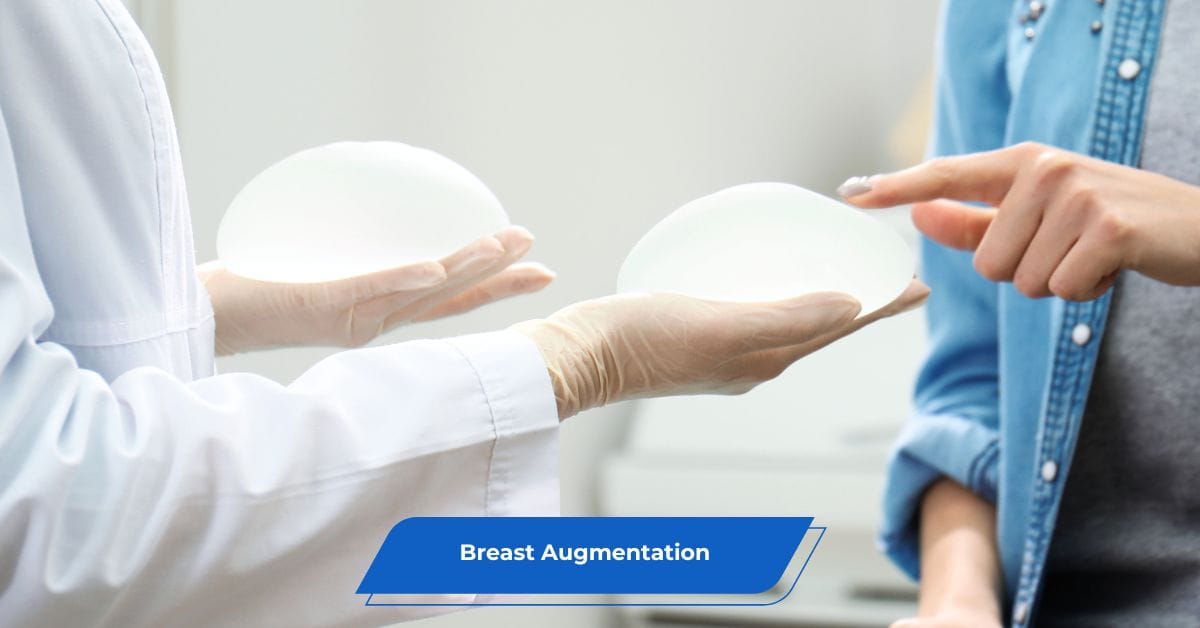
What Is Breast Augmentation?
Breast augmentation—clinically known as augmentation mammoplasty—is a surgical procedure performed to increase breast size, alter breast shape, or adjust overall asymmetry. The procedure typically involves placing breast implants behind the breast tissue or beneath the pectoralis muscle, or transferring the patient’s own fat from another part of the body into the breasts.
Breast implants are manufactured with either a saline or silicone gel filling and come in various shapes, profiles, and surface textures. Silicone gel implants are available in different formulations, and the selection of implant material, shape and volume depends on individual breast anatomy, existing soft-tissue coverage, aesthetic preferences, and the surgeon’s clinical assessment. Breast augmentation carries surgical and implant-related risks, including infection, bleeding, asymmetry, capsular contracture, implant rupture, and the potential need for further surgery.
Back To: Plastic Surgery Main Page
Breast Augmentation Landscape In Malaysia
Malaysia maintains a regulated private healthcare sector governed by the Ministry of Health (MOH). Individuals considering breast augmentation should ensure their procedure is performed by an appropriately registered specialist in a facility licensed under the Private Healthcare Facilities and Services Act 1998 and its associated regulations.
Under guidelines issued by the Ministry of Health Malaysia, medical practitioners offering aesthetic services must be fully registered with the Malaysian Medical Council (MMC) and hold a valid Annual Practising Certificate (APC). For aesthetic surgical procedures, the practitioner should have the appropriate specialist registration on the National Specialist Register (NSR) and the relevant credentials and privileges to perform the procedure at the healthcare facility.
Implant Types & Surgical Techniques
Silicone & Saline Implants
Silicone gel and saline-filled breast implants are available in various sizes, shapes – round or anatomical (teardrop-shaped), and surface profiles (smooth or micro-textured). The specific implant brands and models available in Malaysia vary depending on the surgical facility and regulatory device registration with the Medical Device Authority (MDA). Patients can check the registration status of medical devices through the public Malaysia Medical Device Register (MMDR) maintained by the MDA. Patients should discuss the characteristics, benefits, and long-term risks of specific implants with their surgeon and review the manufacturer’s patient information before proceeding.
Fat Transfer (Autologous Fat Grafting)
Fat transfer involves removing fat from areas such as the abdomen, flanks, or thighs via liposuction, processing the harvested fat, and injecting it into the breast tissue. Fat transfer may provide a more modest increase in breast volume compared with implants. However, the volume of fat that survives post-grafting varies between individuals, and additional procedures may be required to achieve or maintain the desired outcome.
Surgical Placement Options
- Subglandular Placement: The implant is positioned directly behind the breast tissue and in front of the pectoralis major muscle. This approach requires less muscular disruption during surgery.
- Submuscular / Dual-Plane Placement: The implant is placed beneath the pectoral muscle, with a dual-plane technique providing different levels of muscle and breast-tissue coverage. The choice depends on breast anatomy, soft-tissue thickness, implant characteristics, and the surgeon’s assessment.
Incision Sites
- Inframammary: Made in the crease beneath the breast, providing direct access for placement.
- Periareolar: Placed along the bottom edge of the areola.
- Transaxillary: Placed through an incision in the armpit, avoiding a scar directly on the breast, though a surgical scar will remain in the underarm region.
Indications & Considerations
Surgical motives and clinical considerations for breast augmentation include:
- Elective Aesthetic Modification: Adjusting breast volume or contour relative to body frame.
- Changes After Pregnancy Or Weight Loss: Addressing volume changes or mild tissue laxity following pregnancy, lactation, or significant weight loss.
- Asymmetry Correction: Addressing natural volume or structural differences between the breasts.
- Breast Reconstruction: Rebuilding or restoring breast form following a mastectomy, certain breast cancer surgeries, or trauma. The reconstructive approach depends on the individual’s cancer treatment, physical anatomy, and broader clinical management plan.
What Pre-Operative Tests May Be Needed For Breast Augmentation in Kuala Lumpur, Malaysia?
Pre-operative investigations before breast augmentation are not uniform for every individual; they vary according to age, medical history, personal or family risk factors, current medications, anaesthetic requirements, and the protocol of the surgical facility. Pre-operative assessments evaluate overall health rather than guarantee that breast tissue is free of all underlying abnormalities.
| Investigation / Assessment | Function & Description | Estimated Cost (Private Sector – MYR)* |
| Specialist Consultation | Medical history evaluation, physical examination, and surgical planning. | RM80 – RM300+ |
| Blood Tests | Full blood count, renal profile, or coagulation studies. | RM40 – RM250+ per test/panel |
| Breast Ultrasound | Sound-wave evaluation of breast tissue. | RM100 – RM300+ |
| Screening Mammogram | X-ray imaging of breast tissue. | RM130 – RM300+ |
| Electrocardiogram (ECG) | Heart rhythm assessment prior to general anaesthesia. | RM50 and RM130+ |
*Note: Testing requirements are patient-dependent. These investigations are ordered based on individual risk profiles rather than as universal mandatory panels. Actual charges vary across private facilities and laboratory providers in Kuala Lumpur.
Which Doctor For Breast Augmentation In Malaysia?
1. Registered Plastic Surgeon
Surgical procedures such as breast augmentation should be performed by a specialist formally registered on the National Specialist Register (NSR) of Malaysia under Plastic Surgery. Patients can use the public National Specialist Register (NSR) database maintained by the Malaysian Medical Council (MMC) to check whether a doctor is registered under Plastic Surgery.
2. Credentials and Privileges
The Ministry of Health Malaysia regulates aesthetic medical and surgical practices. For breast augmentation, patients should ensure their practitioner is appropriately trained, holds the relevant specialist credentials, and possesses privileges for breast surgery within a licensed hospital or surgical centre.
3. Consultant Anaesthesiologist
A registered Consultant Anaesthesiologist assesses the patient’s suitability for anaesthesia, manages anaesthesia during surgery, monitors vital signs, and oversees immediate recovery. The type of anaesthesia used depends on the procedure and individual clinical circumstances.
Doctors For Plastic Surgery In Kuala Lumpur, Malaysia
If you are looking for a doctor for plastic surgery in Kuala Lumpur, you may consider these doctors:


Resources To Help You Find A Doctor
- Top 10 Plastic Surgeons In Kuala Lumpur: 365Asia List
- Best Plastic Surgeons in Kuala Lumpur: 365Asia List
- Find A Doctor for Plastic Surgeons in Kuala Lumpur for Breast Augmentation, Liposuction, and Rhinoplasty 2026
Which Hospitals And Medical Centres Provide Breast Surgery Services?
Private hospital facilities and licensed surgical or day-care centres across Kuala Lumpur and the Klang Valley offer plastic and reconstructive surgery services. Surgical options, practitioner availability, and overnight admission facilities vary. Patients should confirm that the surgeon is appropriately registered and credentialed for breast surgery and that the procedure will be performed in an appropriately licensed healthcare facility.
- Gleneagles Hospital Kuala Lumpur: Lists plastic and reconstructive surgery services, including breast augmentation, breast reduction, breast lift, and reconstructive procedures.
- Sunway Medical Centre, Sunway City Kuala Lumpur: Offers plastic and reconstructive surgery services, including breast augmentation and fat grafting, with published private pricing structures.
- Other Private Tertiary Hospitals & Specialist Facilities: Facilities across Kuala Lumpur with registered plastic surgery departments provide operating theatre suites, diagnostic imaging, and post-operative nursing care for inpatient or day-surgery cases.
What Is The Cost Of Breast Augmentation In Kuala Lumpur, Malaysia?
Breast augmentation pricing in Kuala Lumpur varies depending on the surgeon, hospital or surgical facility, implant type and brand, anaesthesia charges, operating theatre time, length of stay, and whether additional surgical steps are performed.
| Procedure Type | Clinical Context | Estimated Cost Range (Private Sector – MYR)* |
| Breast Augmentation with Implants | Includes surgical placement of silicone gel or saline implants. Price varies by manufacturer and model. | RM12,000 – RM35,000+ |
| Fat-Transfer Breast Augmentation | Depends on the extent of liposuction required, harvesting sites, and processing techniques. | RM15,000 – RM30,000+ |
| Breast Augmentation with Mastopexy (Lift) | Combined procedure to address both volume and skin laxity/nipple repositioning. | RM21,000 – RM30,000+ |
| Revision Breast Augmentation | Complex reoperation to alter implant size, address capsular contracture, or correct positioning. | RM15,000 – RM40,000+ |
*Note: Published private-sector prices show variation across providers in the Klang Valley. Depending on the provider, a quoted rate may or may not include surgeon fees, anaesthesiologist charges, facility costs, implant units, post-operative support garments, or follow-up consultations. Patients should request an itemised written quotation.
Recovery And Post-Operative Care
Recovery timelines differ based on individual healing capacity, surgical technique, and implant placement (subglandular vs submuscular):
- Immediate Post-Op (Days 1–3): Swelling, bruising, and localised tightness are typical. Pain relief may be prescribed or recommended according to the patient’s needs.
- First Week: Some patients can resume light daily activities and desk-based work within about a week, depending on their recovery and the nature of their work.
- Support Garments: Surgeons may recommend wearing a specialised surgical support bra to manage swelling and support positioning during early healing.
- Resuming Strenuous Activity: Heavy lifting, vigorous exercise, and upper-body physical training should be resumed only when cleared by the operating surgeon.
What Are The Insurance And Financing Considerations?
Medical Insurance Coverage
- Elective Cosmetic Surgery: Elective breast augmentation performed purely for cosmetic reasons is generally excluded from private medical insurance policies in Malaysia.
- Reconstructive Procedures: Coverage for medically necessary breast reconstruction following a mastectomy or cancer treatment may be available under some health policies, subject to individual policy terms, medical documentation, and insurer approval.
Payment Arrangements
Some private healthcare facilities offer credit card instalment arrangements through participating banks. Availability, interest terms, and eligibility vary by provider and financial institution, and should be verified directly with the healthcare facility prior to treatment.
Find A Financial Adviser
If you require guidance regarding healthcare financial planning, private medical insurance policy terms, or out-of-pocket medical budgeting in Malaysia, you can consider our Preferred Financial Adviser partners:
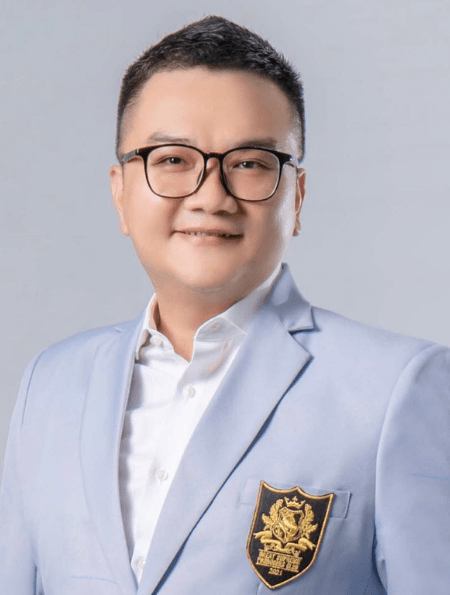

Featured Doctor - Dr Yee Sze-Voon
FAQs
How much does breast augmentation cost in Kuala Lumpur?
Breast augmentation costs in Kuala Lumpur vary considerably, with indicative private-sector prices starting at around RM 12,000 and reaching RM 35,000 or more depending on the procedure and provider. The final price depends on facility charges, surgeon fees, anaesthesia, implant type, and whether additional steps are performed. Request an itemised quotation during consultation.
Is breast augmentation safe?
Like all major surgical procedures, breast augmentation carries inherent risks, including bleeding, infection, adverse reaction to anaesthesia, changes in sensation, implant displacement, capsular contracture, implant rupture, and the potential need for future reoperation. Breast implants are not lifetime devices. Discuss all risks thoroughly with an NSR-registered plastic surgeon.
How long do breast implants last?
Breast implants are not lifetime devices, and their individual lifespan cannot be precisely predicted. While some implants remain in place for many years without issue, others may require removal or replacement due to complications such as rupture, capsular contracture, tissue changes, or personal preference. The likelihood of complications and the need for additional surgery may increase over time.
Can breast implants rupture?
Yes. Both saline and silicone implants can rupture. Saline ruptures usually cause noticeable deflation as the fluid is absorbed by the body. Silicone gel ruptures may be “silent,” causing no immediate external symptoms, and may be detected through imaging such as ultrasound or MRI.
What is capsular contracture?
Capsular contracture occurs when the scar tissue (capsule) that naturally forms around an implant tightens abnormally. This can cause the breast to feel firm, look distorted, or become painful. Treatment options range from clinical monitoring to surgical revision or implant removal.
What is BIA-ALCL?
Breast Implant-Associated Anaplastic Large Cell Lymphoma (BIA-ALCL) is an uncommon type of non-Hodgkin lymphoma that can develop in the fluid or scar capsule surrounding a breast implant. BIA-ALCL is not breast cancer. It is reported more frequently in patients with textured-surface implants. Patients who notice persistent swelling, fluid collection (seroma), or a mass around an implant should seek medical evaluation.
Do breast implants need regular scans?
The US Food and Drug Administration (FDA) recommends periodic imaging for patients with silicone gel-filled breast implants to screen for silent rupture. The FDA recommends ultrasound or MRI beginning approximately 5 to 6 years after implantation and then every 2 to 3 years thereafter. These scans do not replace routine breast cancer screening.
Can I Still Have Mammograms After Breast Augmentation?
Yes. Breast implants do not eliminate the need for routine breast cancer screening. Patients should inform the mammography provider that they have implants because additional imaging views may be required to improve visualisation of breast tissue. Screening should follow recommendations appropriate to the individual’s age, symptoms, and risk factors.
Can I breastfeed after breast augmentation?
Many women are able to breastfeed after breast augmentation, but outcomes depend on the surgical incision location, implant placement, and underlying breast anatomy. Patients who plan to breastfeed should discuss this with their surgeon before surgery, as surgical approach and placement choices can affect lactation.
How do I choose a plastic surgeon in Malaysia?
Ensure your doctor is fully registered with the Malaysian Medical Council (MMC) and listed on the National Specialist Register (NSR) under Plastic Surgery. Confirm that the surgeon operates within a licensed hospital or day-care facility and has appropriate credentials and privileges for breast surgery.
How long does recovery take?
Some patients can return to light, desk-based work within 1 to 2 weeks, depending on their recovery and occupation. Strenuous exercise, heavy lifting, and upper-body training should be avoided for several weeks until approved by the surgeon. Full settling of implant position may take several months.
Does insurance cover breast augmentation in Malaysia?
Elective cosmetic breast augmentation is generally excluded from private medical insurance policies in Malaysia. However, medically necessary breast reconstruction following a mastectomy for breast cancer may be covered under certain policies, subject to individual policy terms and insurer pre-authorisation.
What is the difference between silicone implants and fat transfer?
Silicone implants involve placing a manufactured shell filled with cohesive silicone gel to increase volume and alter shape. Fat transfer uses your own body fat harvested via liposuction from another area, which is processed and injected into the breasts. Fat transfer results in more modest volume changes, and multiple sessions may be needed.
Contact Us For An Appointment
If you wish to consult an NSR-registered plastic surgeon in Kuala Lumpur regarding breast augmentation options, medical assessments, or procedure planning, we can help with an appointment. Contact us via the button below.
Additional Resources
- Malaysian Medical Council | MMC.
- Specialist Search | National Specialist Registration.
- Registered Medical Device Search | Medical Device Authority Malaysia.
- Public – Ministry of Health Malaysia | Ministry of Health Malaysia
All content on this site is informative only and is not intended to be a substitute for professional medical advice,
diagnosis, or treatment, and should never be relied upon for specific medical advice.
If you are experiencing a medical emergency, call 999 immediately or go to the nearest Accident & Emergency department.
365Asia is a member of Group 365Asia.