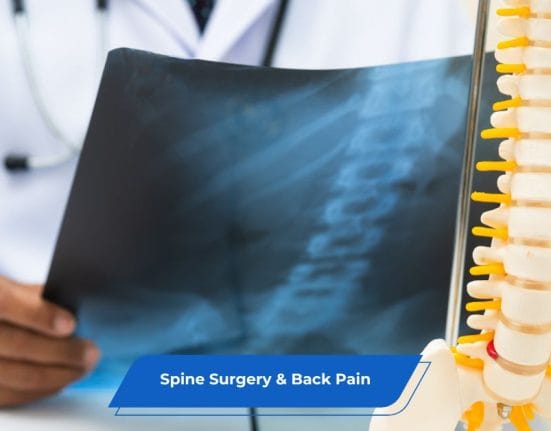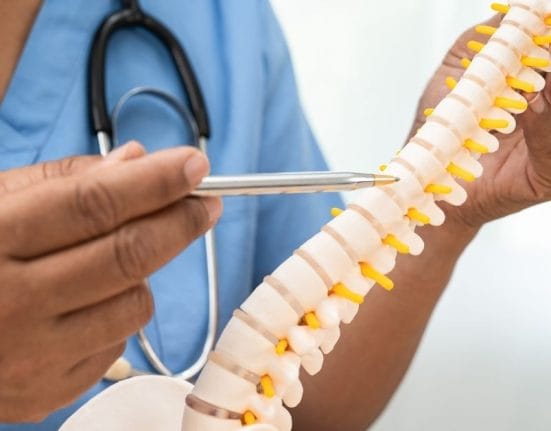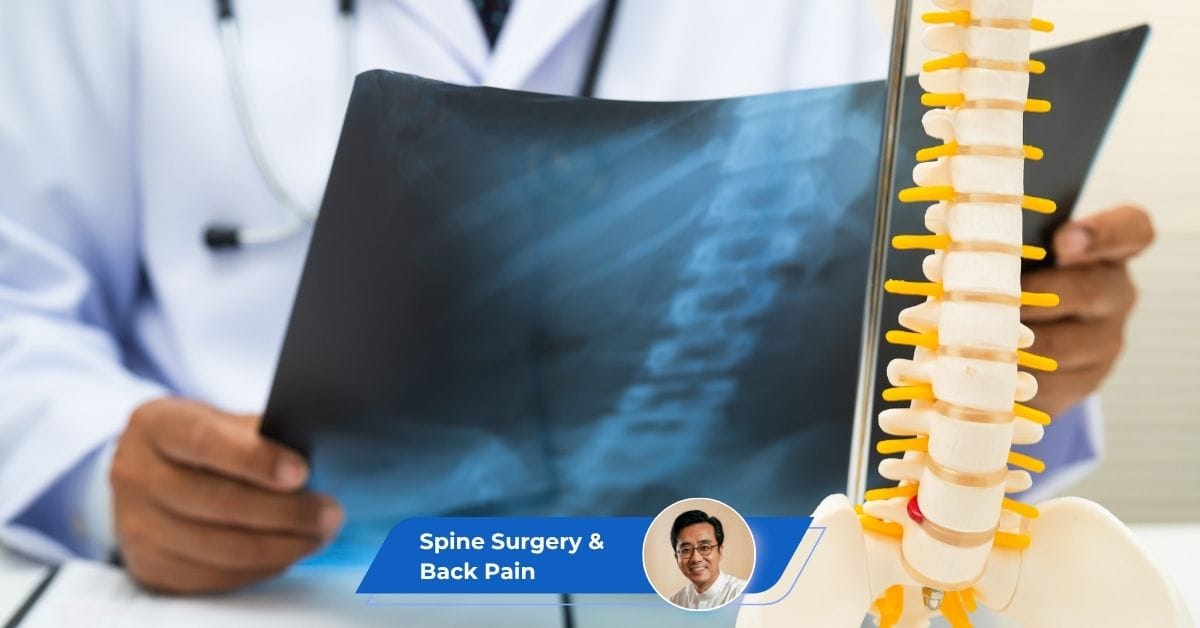
What Is Endoscopic Spine Surgery And Minimally Invasive Spine Treatment?
Endoscopic spine surgery (ESS) is a minimally invasive surgical technique that uses an endoscope—a thin camera system—and specialised micro-instruments inserted through one or more small incisions to access and treat selected spinal conditions. Depending on the patient’s individual anatomy and the specific condition being treated, the operating surgeon may remove herniated disc material, decompress a pinched spinal nerve, or relieve mechanical pressure caused by spinal stenosis.
Because endoscopic techniques generally involve less disruption of surrounding muscles and soft tissues than conventional open approaches, potential benefits may include smaller incisions, reduced operative blood loss, less postoperative discomfort, and a shorter hospital stay in appropriately selected patients. However, recovery times and overall outcomes vary according to the patient’s underlying health, the complexity of the procedure, and individual clinical factors.
Back To: Brain and Spine Care Main Page
Back Pain Prevalence in Malaysia
Low back pain is common across Malaysia. A Malaysian scoping review found reported low-back-pain prevalence ranging from 12.4% to 84.6% across various populations and settings, reflecting differences in age groups, occupational settings, and research methodologies. Risk factors identified in local studies include advancing age, higher body mass index (BMI), repetitive manual lifting, prolonged sitting or standing postures, and longer daily working hours.
Most people who experience low back pain do not require surgical intervention. Treatment typically begins with non-surgical conservative measures, such as remaining physically active, using targeted pain management, and engaging in structured exercise-based rehabilitation. Surgery is generally considered when symptoms remain disabling despite appropriate non-surgical treatment, when imaging findings correlate with the patient’s symptoms, or when significant or progressive neurological deficits are present.
What Are The Causes Of Back Pain & Spinal Risk Factors?
Spinal pain and structural disc disorders can stem from mechanical wear, age-related tissue changes, or physical strain. Common underlying factors include:
- Herniated or Slipped Discs: The gel-like inner core of an intervertebral disc bulges or ruptures through its outer fibrous ring, potentially impinging on adjacent spinal nerve roots.
- Spinal Stenosis: Narrowing of the spinal canal or nerve root exits (foramina), often associated with age-related changes such as bone spurs, disc degeneration, or thickened spinal ligaments, which may place pressure on the spinal cord or nerve roots depending on the level affected.
- Degenerative Disc Disease: Age-related changes in intervertebral disc height and hydration, which can lead to localized stiffness and inflammation.
- Occupational & Physical Stressors: Prolonged sitting, repetitive heavy lifting, and poor lifting mechanics may contribute to mechanical back pain or aggravate existing spinal symptoms.
- Higher Body Mass Index: Carrying excess body weight places additional physical load on the lumbar spine and supporting structures.
- Tobacco Use: Smoking may impair micro-vascular blood supply to spinal tissues and is associated with poorer overall spinal health.
What Are The Symptoms Of Spinal Compression & Disc Disorders?
Symptoms depend heavily on whether a nerve root or the spinal cord is affected, as well as the exact location of the issue along the spine:
- Localised Back Pain: A persistent ache or sharp discomfort in the lumbar region that may vary with posture, movement, or rest.
- Sciatica (Radiculopathy): Sharp, burning, or shooting pain radiating along the path of the sciatic nerve down the buttock, thigh, calf, or foot.
- Sensory Changes: Numbness, tingling, or a “pins and needles” sensation in specific nerve areas of the legs or feet.
- Muscle Weakness: Reduced strength in the lower limbs, ankle weakness, or difficulty flexing the foot during walking.
- Neurogenic Claudication: Leg discomfort, heaviness, or cramping triggered by standing or walking, which typically improves upon bending forward or sitting.
Emergency Warning Signs: Seek urgent medical evaluation at an emergency department if you experience sudden bowel or bladder dysfunction (such as incontinence or inability to urinate), numbness around the groin, genitals, buttocks, or inner thighs (saddle anaesthesia), or progressive weakness in both legs. These may indicate Cauda Equina Syndrome, a medical emergency requiring immediate assessment.
When Should You See A Spine Specialist For Back Pain?
Consider seeing a spine specialist if back pain persists despite appropriate self-care, repeatedly interferes with daily activities, is accompanied by persistent sciatica or numbness, or causes weakness in the legs or feet.
Urgent medical assessment is required if back pain is accompanied by new bowel or bladder dysfunction, saddle anaesthesia, or rapidly progressing neurological weakness.
Who Is A Candidate For Endoscopic Spine Surgery?
Endoscopic spine surgery is generally considered for carefully selected patients whose symptoms are caused by a structural spinal problem that can be addressed through an endoscopic approach. Examples may include certain lumbar disc herniations causing sciatica, selected cases of spinal stenosis, and other forms of focal nerve compression.
Suitability depends on the patient’s symptoms, neurological examination, imaging findings, spinal anatomy, previous treatments, and overall health. An MRI finding alone does not necessarily mean that surgery is required, as disc degeneration, disc bulges, and other structural changes can occur in people without symptoms.
How To Help Maintain Spinal Health?
While not all age-related spine changes can be prevented, the following habits help support long-term lumbar function:
- Stay Physically Active: Regular physical activity and appropriately prescribed strengthening exercises can help support spinal function and reduce disability associated with low back pain.
- Break Up Sedentary Time: Break up prolonged sitting with regular movement and position changes throughout the day.
- Use Safe Lifting Mechanics: Bend at the knees and hips rather than rounding the lower back when lifting objects off the ground.
- Manage Body Weight: Maintaining a healthy body weight reduces sustained mechanical strain on the lumbar vertebrae.
- Avoid Smoking: Quitting tobacco supports micro-vascular health and general tissue healing.
What Are The Costs Of Screening & Diagnostic Testing For Back Pain in Kuala Lumpur, Malaysia?
Accurate diagnosis by a medical practitioner is essential before determining an appropriate treatment plan. Prices may differ substantially depending on whether contrast media is required and whether one or multiple spinal regions are scanned. The following are indicative private-sector diagnostic costs in Kuala Lumpur for 2026:
| Screening / Diagnostic Test | Function & Description | Estimated Cost (Private Sector – MYR)* |
| Specialist Consultation | Comprehensive clinical evaluation, neurological examination, and symptom assessment by a specialist. | RM 200 – RM 450 |
| Plain X-Rays (Spine) | Evaluates skeletal alignment, joint degeneration, and gross structural changes (2 to 4 views). | RM 150 – RM 350 |
| Magnetic Resonance Imaging (MRI) | MRI provides detailed images of the discs, spinal nerves, spinal cord, and other soft tissues and is commonly used when clinically indicated. | RM 1,200 – RM 3,500 |
| CT Scan (Spine) | Provides cross-sectional bone detail to evaluate complex fractures, calcified spurs, or structural alignment. | RM 500 – RM 1,500+ |
| Electromyography (EMG) / NCS | Assesses nerve and muscle function and may help evaluate suspected radiculopathy or distinguish nerve-root problems from other causes of neurological symptoms. | RM 1,000 – RM 2,000 |
| Diagnostic / Interventional Injection | Image-guided injection of local anaesthetic, sometimes combined with corticosteroid, to help assess or manage pain suspected to originate from a specific spinal structure. | RM 2,500 – RM 6,000 |
*Note: Indicative costs only. Private healthcare charges in Kuala Lumpur vary between hospitals and clinics depending on the facility, practitioner, procedure, imaging requirements and individual patient factors. Patients should verify current pricing directly with their chosen healthcare provider.
Which Doctor For Treatment Of Endoscopic Spine Surgery & Back Pain?
Managing complex or persistent spinal issues involves a range of medical specialists:
1. Spine Neurosurgeon
Neurosurgeons specialising in spinal disorders diagnose and treat conditions affecting the spinal cord, nerve roots, and surrounding structures. Some undergo additional training in minimally invasive and endoscopic spine techniques.
2. Orthopaedic Spine Surgeon
Orthopaedic spine surgeons focus on disorders affecting the structure, alignment, and stability of the spine, including degenerative conditions, deformities, fractures, and conditions requiring decompression or fusion.
3. Pain Management Specialist
Interventional pain specialists focus on non-surgical procedures to help manage chronic back and nerve pain. Treatments may include ultrasound- or fluoroscopy-guided epidural injections, facet joint interventions, or radiofrequency treatments as part of a broader care plan.
4. Rehabilitation Physician & Physiotherapist
Rehabilitation specialists and physiotherapists guide conservative management and post-treatment recovery. They prescribe tailored exercise programmes to improve mobility, strengthen core supporting muscles, and provide functional advice for daily activities.
Preferred Doctors For Endoscopic Spine Surgery In Kuala Lumpur, Malaysia
If you are looking for a doctor for endoscopic spine surgery in Kuala Lumpur, you can consider our Preferred Doctor partners:
Dr Yee Sze-Voon – Brain And Spine Neurosurgeon
- Speciality: Dr Yee Sze-Voon specialises in endoscopic and minimally invasive spine surgery, brain surgery, and pain management.
- Location: Kuala Lumpur, Malaysia


Featured Doctor - Dr Yee Sze-Voon
Resources To Help You Find A Doctor
- Top 10 Neurosurgeons In Kuala Lumpur: 365Asia List
- Best Neurosurgeons In Kuala Lumpur: 365Asia List
- Find A Doctor for Neurosurgeons in Kuala Lumpur for Slipped Disc, Sciatica and Brain Tumours 2026
Which Hospitals And Medical Centres Are There For Screening & Treatment?
Patients in Kuala Lumpur can access spinal evaluation and management through public tertiary centers, private multi-specialty hospital hubs, and specialised outpatient clinics.
Public Tertiary Hospitals
Government medical facilities, such as Hospital Kuala Lumpur (HKL) and University Malaya Medical Centre (UMMC), offer comprehensive public neurosurgical and orthopaedic spine services. While public treatment is subsidised for eligible Malaysian citizens, waiting times for non-urgent elective imaging and elective surgical procedures can be longer.
Private Medical Centres
Private hospitals in Kuala Lumpur and the wider Klang Valley offer specialist spine services, advanced imaging, and operating facilities. Examples of established private medical hubs include:
- Gleneagles Hospital Kuala Lumpur
- Pantai Hospital Kuala Lumpur
- Prince Court Medical Centre
- Sunway Medical Centre
- KPJ Ampang Puteri Specialist Hospital
- Columbia Asia Hospitals
Availability of specific endoscopic systems, intraoperative imaging, and navigation technology varies by hospital, procedure, and surgeon. Patients should confirm the equipment and services available before treatment.
What Is The Cost Of Endoscopic Spine Surgery & Back Pain Treatment In Kuala Lumpur, Malaysia?
Treatment for spinal conditions ranges from non-surgical physical therapies to minimally invasive procedures. The figures below represent indicative private-sector cost ranges in Kuala Lumpur for 2026:
| Treatment / Procedure | Description & Clinical Purpose | Estimated Cost Range (Private Sector – MYR)* |
| Physical Therapy & Rehabilitation | Outpatient physiotherapy, exercise-based rehabilitation, functional training, and education, depending on the patient’s condition (per session). | RM 120 – RM 250+ per session |
| Epidural Steroid Injection | Fluoroscopy-guided injection of corticosteroids into the epidural space to help reduce nerve root inflammation. | RM 1,500 – RM 3,500+ |
| Radiofrequency Ablation (RFA) | A procedure that uses thermal energy to interrupt pain signals from nerves supplying painful facet joints, usually for selected cases of facet-mediated spinal pain. | RM 3,000 – RM 15,000 |
| Endoscopic Lumbar Discectomy | Minimally invasive targeted removal of herniated disc material under direct endoscope visualisation. | RM 36,000+ |
| Endoscopic Spinal Decompression | Keyhole endoscopic procedure to relieve pressure on compressed nerves caused by spinal stenosis or bone spurs. | RM 38,000 – RM 78,000 |
| Minimally Invasive Lumbar Fusion (MIS-TLIF) | A minimally invasive fusion procedure that may be considered for selected cases of spinal instability or degeneration; it is distinct from decompression-only endoscopic procedures. | RM 22,000 – RM 80,000+ |
*Indicative cost only. Private healthcare charges in Kuala Lumpur vary significantly between hospitals and depend on the specific procedure, number of spinal levels treated, surgeon and anaesthetist fees, surgical consumables, length of hospital stay, and individual patient factors. Patients should obtain a detailed, itemised quotation from their healthcare provider prior to undergoing treatment.
Non-Surgical vs. Surgical Treatment Pathways
1. Conservative Management
Most acute, non-specific back pain is initially managed without surgery. Depending on the cause and individual circumstances, treatment may include remaining active, appropriate pain relief, exercise-based rehabilitation, and advice on activity modification.
2. Interventional Pain Injections
Epidural injections or diagnostic blocks may be considered if nerve inflammation causes disabling pain that restricts rehabilitation progress. Injections primarily offer temporary symptom relief to facilitate physical therapy rather than correcting structural changes.
3. Surgical Evaluation
Endoscopic spine surgery may be considered when symptoms remain disabling despite an appropriate period of non-surgical treatment, when imaging findings correspond with the patient’s symptoms, or when significant or progressive neurological deficits require earlier intervention.
What Are The Insurance And Financing Considerations For This Condition?
Navigating healthcare expenses in Malaysia involves several potential funding options:
Private Medical Insurance & Medical Cards
Private medical insurance may cover medically necessary spinal surgery, including some endoscopic procedures, but coverage depends on the individual policy, medical necessity, exclusions, waiting periods, panel requirements, benefit limits, and insurer approval. Patients should obtain confirmation from their insurer before admission.
Obtaining a Guarantee Letter (GL)
For planned treatment, patients can ask their hospital or specialist clinic whether a Guarantee Letter (GL) or pre-authorisation can be obtained from the insurer before admission.
Find A Financial Adviser
To review your medical insurance policy limits, understand surgical riders, or plan health contingencies in Malaysia, you may consult an independent financial adviser.
If you are looking for a financial adviser to help navigate the complexities of insurance claims and financial planner for medical contingencies, you can consider our Preferred Financial Adviser partners:

Featured Doctor - Dr Yee Sze-Voon
EPF (KWSP) Withdrawals & Government Options
- EPF Health Withdrawal (Akaun Sejahtera): Eligible EPF members may be able to make a partial withdrawal from Akaun Sejahtera for approved medical treatment, illnesses, and healthcare equipment, subject to current EPF eligibility requirements and supporting documentation. Eligibility is not automatic, and patients should check current EPF criteria before relying on this funding option.
- Subsidised Public Healthcare: Malaysian citizens accessing eligible treatment within the public healthcare system generally benefit from government-subsidised fees, although the amount payable varies according to the facility, treatment, and patient eligibility.
FAQs
What is the main difference between endoscopic spine surgery and conventional open back surgery?
Endoscopic spine surgery generally uses smaller incisions than conventional open surgery, although incision size and the number of access points depend on the specific technique and procedure. Endoscopic methods allow access to the target area with less disruption to overlying lumbar muscles, whereas open surgery involves larger incisions and muscle retraction.
How quickly can a patient return to daily activities after endoscopic spine surgery?
Recovery varies according to the procedure, the spinal level treated, the patient’s overall health, and the nature of their work. Some patients undergoing less extensive endoscopic procedures can walk soon after surgery and return to light activities relatively quickly, while more complex decompression or fusion procedures require a longer recovery period. The surgeon will provide individual guidance on work, driving, lifting, and exercise.
Is endoscopic spine surgery suitable for all types of back pain?
No. Endoscopic spine surgery is not appropriate for every cause of back pain. It is primarily used for selected structural conditions causing nerve-root or, in some cases, spinal cord compression, such as focal herniated discs and specific forms of spinal stenosis. Non-specific back pain without a surgically treatable structural cause is usually managed with non-surgical treatment.
Will private medical insurance cover endoscopic spine surgery in Kuala Lumpur?
Some private medical insurance policies and medical cards may cover endoscopic spine surgery when the procedure is medically necessary and meets the policy’s terms. Coverage varies between insurers and plans, so patients should confirm eligibility, panel requirements, exclusions, and pre-authorisation requirements before treatment.
Can a herniated disc recur after endoscopic surgery?
Yes. A disc herniation can recur at the same level after discectomy, although most patients do not experience recurrence. The risk varies between patients and procedures. Following postoperative activity and rehabilitation advice may help support recovery, but recurrence cannot be completely prevented.
Contact Us For An Appointment
If you are experiencing persistent back pain or sciatica and wish to explore your diagnostic or treatment options in Kuala Lumpur, we can help with an appointment. Contact us via the button below.
Additional Resources
- Malaysia Society of Endoscopic Spine Surgery (MSESS) | MSESS
- Endoscopic Spine Surgery Malaysia | Dr Yee Sze-Voon
- Minimally Invasive Spine Surgery | Gleneagles Hospital Malaysia
- Spine Surgery – Kuala Lumpur | Prince Court Medical Centre
All content on this site is informative only and is not intended to be a substitute for professional medical advice,
diagnosis, or treatment, and should never be relied upon for specific medical advice.
If you are experiencing a medical emergency, call 999 immediately or go to the nearest Accident & Emergency department.
365Asia is a member of Group 365Asia.