
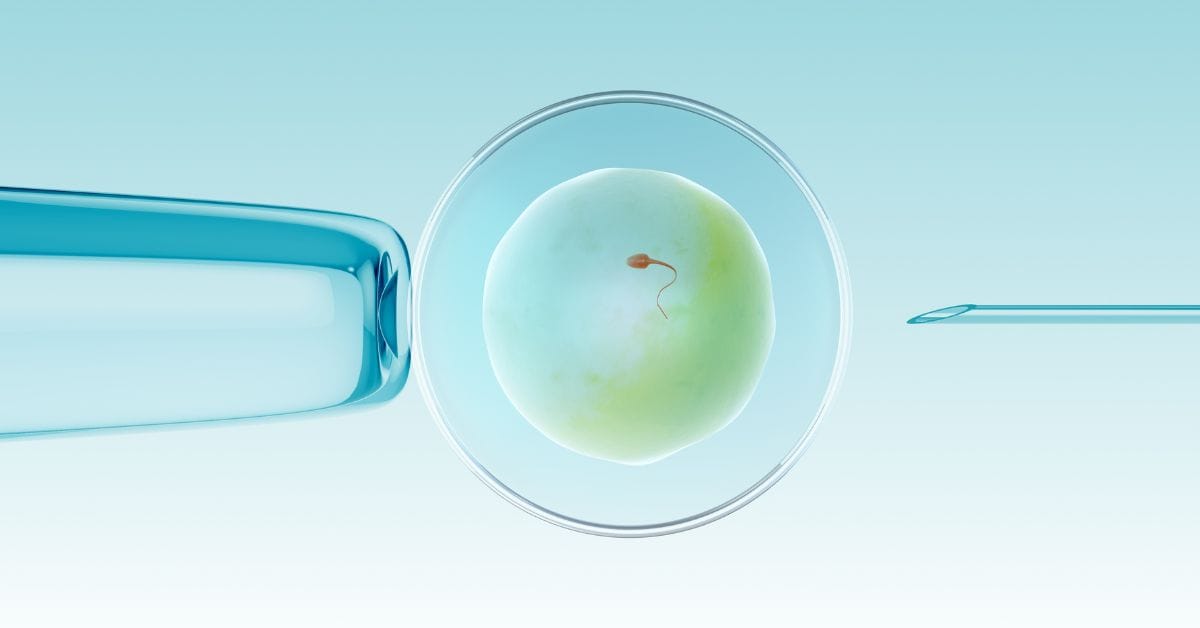
For many couples, pursuing In Vitro Fertilisation (IVF) involves both clinical considerations and significant financial costs. Kuala Lumpur offers a range of public, university-affiliated and private fertility services, including assisted reproductive technologies such as in vitro fertilisation (IVF). Malaysia also receives international patients seeking fertility treatment, including patients from neighbouring countries.
This article provides an objective overview of estimated costs, factors that may affect the final bill, financial support options and the clinical process for undergoing IVF treatment in Kuala Lumpur, Malaysia.
Back to: Women’s Health Main Page
What Is the Estimated Cost of IVF in Kuala Lumpur?
The estimated cost of one IVF treatment cycle in Kuala Lumpur varies according to the fertility centre, treatment protocol, medication requirements, laboratory procedures and whether additional services are required.
Current published sources provide the following reference points:
On average, a single standard IVF cycle in Kuala Lumpur costs between RM 13,000 and RM 30,000.
The table below outlines the estimated breakdown based on current online sources, including published figures from established fertility clinics:
| Service Stage / Category | Estimated Cost (MYR) | Key Inclusions & Factors |
| Initial Consultation & Diagnostics | RM 300 – RM 2,000 | Blood tests, hormone panels, semen analysis, pelvic ultrasound scan. |
| Basic IVF Package (Standard) | RM 13,000 – RM 18,000 | Ovarian stimulation monitoring, egg retrieval (OPU), embryology laboratory fees, standard embryo transfer. |
| Hormonal Medications & Injections | RM 5,000 – RM 8,000+ per cycle | Follicle-stimulating hormones (FSH), LH agonists/antagonists, progesterone support (varies by dosage/age). |
| Advanced Laboratory Techniques | RM 13,000 – RM 35,000+ | ICSI, Blastocyst Culture, Time-lapse Monitoring (Incubator), Laser-Assisted Hatching. |
| Genetic Testing (PGT-A / PGT-M) | RM 6,000 – RM 15,000+ | Pre-implantation Genetic Testing for aneuploidies or inherited single-gene conditions. |
| Embryo Freezing & Storage (Per Year) | MYR 1,000 – MYR 2,500 | Cryopreservation (vitrification) of surplus viable embryos. |
Disclaimer: The medical cost estimates mentioned above are derived strictly from publicly available digital sources for informational purposes only. Actual medical expenses vary significantly depending on the specific hospital or private fertility centre, the chosen specialist, individual hormonal response, laboratory technology utilized, and the tailored treatment protocol required.
Patients should request an itemised treatment quotation from their chosen fertility centre and confirm which services, medicines, laboratory procedures, taxes and follow-up treatment are included before starting treatment.
Why Do IVF Costs Vary in Kuala Lumpur?
The exact fee for an IVF cycle depends on several clinical and operational parameters:
- Ovarian stimulation medication: The type and dosage of fertility medication vary according to the individual’s treatment plan and ovarian response. Medication requirements can therefore affect the overall treatment cost.
- Intracytoplasmic sperm injection (ICSI): ICSI may be recommended in certain cases, including some forms of male-factor infertility. Where ICSI is used, additional laboratory charges may apply depending on the fertility centre and treatment package.
- Pre-implantation Genetic Testing (PGT): Screening embryos for chromosomal abnormalities prior to transfer adds technical costs per embryo tested.
- Fresh versus frozen embryo transfer: An embryo transfer may be performed as a fresh or frozen embryo transfer depending on the clinical circumstances and treatment plan. Where embryos are frozen for later transfer, additional fees may apply for embryo storage and the subsequent frozen embryo transfer.
Government Financial Assistance, Insurance, and EPF Claims in Malaysia
Understanding how to offset medical expenses is vital for managing the financial requirements of fertility care in Malaysia.
EPF (KWSP) Withdrawal for Fertility Treatment
Eligible EPF members may apply to use savings in Akaun Sejahtera for approved fertility treatment under the EPF Health Withdrawal facility.
According to EPF, eligible fertility treatments include:
- Intrauterine Insemination (IUI)
- In-Vitro Fertilisation (IVF)
- Intracytoplasmic Sperm Injection (ICSI)
EPF states that applicants must be below 55 years old, have sufficient savings in Akaun Sejahtera and be a legally married couple. EPF also states that the medical costs must not be fully covered by an employer and that the applicant must not be receiving alternative treatment. The facility is available to Malaysian citizens, permanent residents and non-Malaysian EPF members who meet the applicable requirements.
For an individual withdrawal, the amount available is subject to EPF’s applicable withdrawal rules and the member’s available Akaun Sejahtera savings. Patients should check the latest EPF terms to determine the amount they may withdraw.
EPF also requires supporting documentation. For treatment at a local medical institution, this includes proof of fertility treatment, actual medical bills and original payment receipts, identity documents and proof of relationship such as a marriage certificate. EPF’s fertility-treatment medical report is the LPP-2 form.
Patients should check the latest EPF requirements before treatment because eligibility, documentation and withdrawal conditions are subject to EPF’s rules.
Malaysian Income Tax Relief for Fertility Treatment
Malaysian resident individual taxpayers may claim eligible expenses for fertility treatment for themselves or their spouse, subject to the conditions and limits applicable for the relevant Year of Assessment.
For Year of Assessment 2025, LHDN states that qualifying medical expenses for serious diseases, fertility treatment, vaccination, and dental examination or treatment are subject to an overall relief limit of RM10,000. LHDN specifically recognises fertility treatments including IVF, and its guidance includes consultation fees and medicines associated with fertility treatment.
The fertility-treatment relief applies to eligible married taxpayers, subject to the conditions set out by LHDN. Taxpayers should retain the treatment receipt and certification issued by a medical practitioner registered with the Malaysian Medical Council (MMC) as supporting documentation.
Tax rules and relief amounts may change between assessment years. Patients should refer to the latest LHDN guidance when preparing their tax return.
Private Health Insurance Coverage
Coverage for IVF and other fertility treatments depends on the individual insurance policy and its exclusions, benefits and eligibility conditions. Patients from Malaysia, Singapore and other countries should check directly with their insurer whether fertility treatment, related investigations, medication or complications associated with treatment are covered.
Patients should obtain confirmation from the insurer before treatment.
Government Fertility Support in Malaysia
Government-supported fertility assistance is available through the Lembaga Penduduk dan Pembangunan Keluarga Negara (LPPKN), subject to the relevant programme requirements.
As updated on 9 June 2026, LPPKN’s Bantuan Rawatan Kesuburan dan Advokasi Infertiliti (BuAI) programme provides subsidised fertility treatment for eligible married couples. The current programme specifies subsidy support for Intrauterine Insemination (IUI), with a maximum of one subsidised IUI treatment cycle per year and two IUI cycles over a lifetime, subject to the programme’s conditions. Eligibility includes a household income below RM10,000 per month, both spouses being Malaysian citizens, and the wife being below 37 years old based on year of birth. Clinical eligibility is also subject to assessment by the treating doctor.
This should not be interpreted as a general government subsidy for IVF treatment. Patients seeking IVF should check their eligibility for EPF withdrawal, applicable tax relief and any assistance available through their chosen fertility provider.
Patients should check the latest LPPKN requirements directly before applying, as programme eligibility and assistance may change.
The Step-by-Step IVF Treatment Journey
Understanding the medical workflow helps prevent unexpected clinical or administrative costs:
- Primary Fertility Assessment: Both partners undergo an initial fertility assessment. Depending on the individual’s circumstances, investigations may include semen analysis, blood tests such as Anti-Müllerian Hormone (AMH), follicle-stimulating hormone (FSH) and luteinising hormone (LH), and pelvic or transvaginal ultrasound.
- Controlled Ovarian Stimulation: Fertility medicines are administered according to the individual’s treatment protocol to stimulate the ovaries to develop multiple follicles. The duration and dosage vary between patients.
- Egg Retrieval (Oocyte Pick-Up): Eggs are collected from the ovarian follicles using an ultrasound-guided needle procedure. The type of anaesthesia or sedation used depends on the fertility centre and the patient’s clinical circumstances.
- Fertilisation & Embryology: Retrieved eggs are fertilised with sperm in the embryology laboratory via conventional insemination or ICSI. The resulting embryos may be cultured in the laboratory for several days before embryo transfer or cryopreservation, depending on the treatment plan and embryo development.
- Embryo Transfer: An embryo or embryos may be transferred into the uterus according to the individual’s clinical circumstances and the fertility specialist’s treatment plan. Suitable surplus embryos may be cryopreserved for possible future use.
- Luteal Support & Pregnancy Test: Progesterone or other hormonal support may be prescribed after embryo transfer according to the treatment protocol. A pregnancy test is performed at the time recommended by the fertility specialist.
Medical Regulation and Professional Standards in Malaysia
Assisted reproductive technology (ART), including IVF and ICSI, is subject to professional and facility standards in Malaysia. The Malaysian Medical Council’s Guideline on Medically Assisted Reproduction V2/2025 covers medically assisted reproduction and related ethical and professional considerations.
The Ministry of Health Malaysia also publishes national policy and standards relating to assisted reproductive technology, including standards relevant to ART laboratories and operating theatres.
Patients should check that their fertility treatment is provided by an appropriately registered healthcare facility and that their treating medical practitioner is registered with the Malaysian Medical Council. Where applicable, patients can also verify a specialist’s registered specialty through the National Specialist Register (NSR).
Fertility Specialists in Kuala Lumpur You May Consider
Patients considering IVF may wish to consult a Fertility Specialist. The NSR provides publicly available information on registered specialists and their listed clinical practice locations. Patients can use the register to verify a specialist’s registered specialty before making an appointment.
Fertility Specialists in Kuala Lumpur you may consider:



Featured Doctor - Dr Yee Sze-Voon
Contact Us For An Appointment
If you would like information about fertility treatment in Kuala Lumpur or an introduction to a fertility specialist, you can contact us below.
Frequently Asked Questions (FAQs)
How much does IVF cost in Kuala Lumpur in 2026?
Published sources indicate that private IVF treatment in Malaysia may cost approximately RM20,000–RM30,000. For Kuala Lumpur, Sunway Fertility Centre currently publishes an IVF package for international patients starting from RM28,000, excluding 6% SST. These figures are indicative only, and the final cost depends on the treatment plan, medication, laboratory procedures, embryo transfer and other services required.
Is IVF in Kuala Lumpur available to international patients?
Some fertility centres in Kuala Lumpur offer IVF services to international patients. Individual centres may have different requirements for consultation, medical records, treatment coordination and travel arrangements. International patients should contact the fertility centre in advance to confirm eligibility, treatment planning, appointment scheduling and the documents required.
How long must international patients stay in Kuala Lumpur for IVF?
The length of stay depends on the treatment protocol, menstrual-cycle timing, monitoring requirements, embryo-transfer plan and whether parts of the assessment or treatment can be coordinated remotely or with a doctor in the patient’s home country.
International patients should discuss the expected number and timing of appointments directly with their fertility centre before arranging flights or accommodation.
Can EPF Account Sejahtera be used to pay for IVF?
Eligible EPF members may use the Health Withdrawal facility for approved IVF treatment, subject to EPF’s eligibility requirements and applicable withdrawal rules. The amount available depends on the member’s circumstances, available Akaun Sejahtera savings and EPF’s applicable terms. Patients should check the latest EPF requirements before commencing treatment.
What is the typical success rate of IVF in Kuala Lumpur?
There is no single IVF success rate that applies to all patients or all fertility centres in Kuala Lumpur. Outcomes can vary according to factors including age, ovarian reserve, sperm factors, cause of infertility, embryo development, treatment protocol and other clinical factors.
Patients should ask their fertility specialist how the centre reports IVF outcomes and whether the figures provided are based on pregnancy rates, clinical pregnancy rates or live-birth rates, and whether they are reported per cycle, egg retrieval or embryo transfer.
Are there extra costs if the first IVF cycle does not result in pregnancy?
Additional costs may apply if further treatment is required. If suitable embryos have been cryopreserved, a subsequent frozen embryo transfer (FET) may be an option without repeating ovarian stimulation and egg retrieval. However, FET involves its own clinical and laboratory costs, and the amount varies between fertility centres.
Patients should ask for an itemised quotation covering embryo freezing, storage, thawing and FET before deciding on their treatment plan.
All content on this site is informative only and is not intended to be a substitute for professional medical advice,
diagnosis, or treatment, and should never be relied upon for specific medical advice.
If you are experiencing a medical emergency, call 999 immediately or go to the nearest Accident & Emergency department.
365Asia is a member of Group 365Asia.