Yes. In carefully selected patients, a completely blocked coronary artery caused by a Chronic Total Occlusion (CTO) may be reopened without open-heart bypass surgery through a specialised catheter-based procedure called Chronic Total Occlusion Percutaneous Coronary Intervention (CTO PCI).
Whether this approach is suitable depends on several factors, including the patient’s symptoms, heart function, coronary anatomy, overall health, and the potential benefits and risks of the procedure.
Receiving a coronary angiogram report stating that an artery is “100% blocked” can be understandably frightening. Depending on the location, duration and complexity of the blockage, patients may be assessed for medication, catheter-based treatment, or coronary artery bypass grafting (CABG).
Advances in interventional cardiology have made it possible for selected chronic total occlusions to be treated using specialised catheter-based techniques. These procedures involve accessing the coronary arteries through a small puncture, usually in the wrist or groin, rather than opening the chest. However, not every 100% blockage is suitable for CTO PCI, and treatment options should be assessed individually.
Learn more: Heart and Vascular Disease in Malaysia
What Is a Chronic Total Occlusion (CTO)?
A Chronic Total Occlusion (CTO) is a complete blockage of a coronary artery with an estimated or documented duration of at least three months. It is characterised by the absence of forward blood flow through the blocked segment, known as TIMI grade 0 flow.
A report describing an artery as 100% blocked does not, by itself, establish that it is a CTO. The duration and angiographic features of the blockage must also be considered.
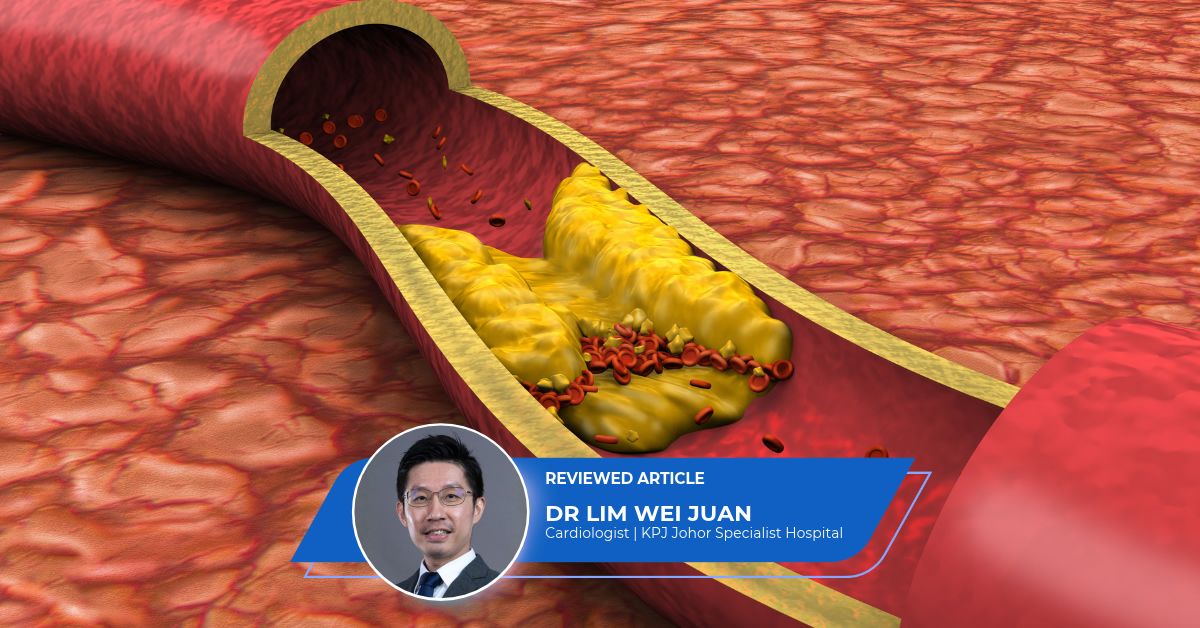
Unlike an acute coronary artery blockage associated with a sudden heart attack, a CTO is a longstanding complete obstruction. It is commonly associated with coronary atherosclerosis, in which plaque builds up within the artery over time. The blockage may become increasingly difficult to cross because of fibrous tissue and calcium deposits.
Over time, the heart may develop small alternative blood vessels called collateral vessels. These can provide an alternative route for blood to reach the heart muscle beyond the blockage. However, the amount of blood supplied varies between patients, and collateral circulation may not provide sufficient oxygen during physical activity.
Depending on the extent of the blockage and the blood supply to the affected heart muscle, patients may experience:
- Chest pain, tightness or heaviness (angina)
- Shortness of breath during physical exertion, such as walking uphill or climbing stairs
- Unusual fatigue and reduced exercise tolerance
- Silent myocardial ischaemia, in which the heart muscle receives insufficient blood flow despite mild or absent symptoms
Non-Surgical Options: How Specialised Catheter Techniques Open a 100% Blockage
Unlike a conventional narrowing, a CTO has no forward blood flow through the blocked segment. The obstruction may contain dense fibrous tissue and calcium deposits, making it more challenging for the specialist to navigate a guidewire through the artery.
Opening it may require CTO Percutaneous Coronary Intervention (CTO PCI), a technically complex procedure performed by an interventional cardiologist with appropriate expertise and equipment.
CTO PCI is generally performed using local anaesthesia at the catheter insertion site. Sedation may also be provided, depending on the patient’s condition, the complexity of the procedure and the treating team’s assessment.
Depending on the anatomy of the blockage, the specialist may use several techniques:
Dual Coronary Angiography: In many CTO procedures, catheters are inserted through two arterial access points, commonly in the wrist or groin. This allows the specialist to visualise the blocked artery and its collateral blood supply from different angles, helping to plan the procedure.
Dedicated CTO Guidewires and Microcatheters: Specialised guidewires with different levels of stiffness and tip characteristics are used to navigate the blockage from the front, known as the antegrade approach. Microcatheters support guidewire control and allow specialists to exchange wires when different crossing strategies are required.
Retrograde Approach: When crossing the blockage from the front is unsuccessful or unsuitable, the specialist may consider a retrograde approach. This involves guiding a specialised wire through suitable collateral blood vessels from another coronary artery to reach the blocked segment from the opposite direction. This technique requires considerable expertise and carries additional procedural risks.
Intravascular Imaging (IVUS or OCT): Intravascular ultrasound (IVUS) and optical coherence tomography (OCT) provide detailed images of the coronary artery from inside the vessel. When used, these techniques can help specialists assess the artery, guide stent placement and evaluate stent expansion.
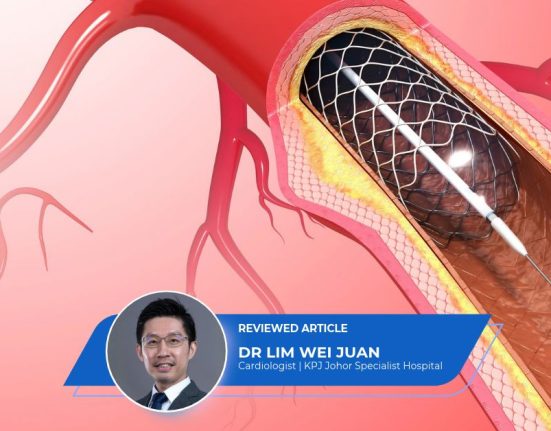
Balloon Angioplasty and Stent Placement: Once the guidewire successfully crosses the blockage, a balloon catheter may be used to widen the treated segment. Additional devices may be required to modify severe calcium deposits. A drug-eluting stent is commonly implanted to help keep the artery open and reduce the risk of re-narrowing.
In specialised centres, CTO PCI success rates can exceed 80% to 90% in the hands of experienced operators using dedicated equipment. However, success depends on the complexity of the blockage, the patient’s condition, the techniques available and the specialist’s experience. These figures reflect outcomes reported by specialised centres and should not be interpreted as a guaranteed result for an individual patient or as the success rate of a particular hospital.
Hospital observation and discharge arrangements also vary according to procedural outcomes, the patient’s condition and individual recovery.
Understanding Procedural Risks: Although CTO PCI is minimally invasive, it is not risk-free. Its risks can be higher than those associated with routine coronary angioplasty, particularly for complex blockages. Potential complications include bleeding at the access site, damage to the coronary artery, coronary artery perforation, heart attack, stroke and kidney-related complications associated with contrast dye. Other considerations may include radiation exposure and the need for further treatment if the blockage cannot be crossed successfully.
The likelihood and severity of complications vary according to the patient’s health, the anatomy and complexity of the blockage, and the experience of the treating team. The specialist should explain the potential benefits, risks and alternatives before treatment.
Bypass Surgery (CABG) vs. CTO Angioplasty (PCI): Who Is a Candidate in Johor?
Not every patient with a CTO requires an immediate procedure. Depending on their symptoms, heart function, the extent of ischaemia and the condition of the affected heart muscle, some patients may be managed with optimal medical therapy.
This may include anti-anginal medication, cholesterol-lowering treatment, antiplatelet medication where indicated, risk-factor management and cardiac rehabilitation.
Revascularisation, which means restoring blood flow through CTO PCI or bypass surgery, may be considered when patients continue to experience symptoms despite appropriate medical treatment. Investigations may also be used to assess whether the affected heart muscle is receiving insufficient blood flow and whether it remains viable.
For selected patients, successfully opening a CTO may improve angina symptoms and quality of life. However, current randomised clinical trial evidence has not conclusively established that CTO PCI reduces the risk of heart attack or extends survival. The potential benefits must therefore be weighed against procedural risks and the patient’s overall cardiovascular condition.
For complex cases, a multidisciplinary Heart Team involving interventional cardiologists, cardiothoracic surgeons and other relevant specialists may assess whether CTO PCI, CABG or continued medical management offers the most appropriate balance of benefits and risks.
| Clinical Factor | CTO Angioplasty (PCI) | Heart Bypass Surgery (CABG) |
| Procedure | Catheter-based procedure using arterial access, usually through the wrist or groin | Surgical procedure that uses blood vessels from other parts of the body to bypass blocked coronary arteries |
| Invasiveness | Minimally invasive; does not usually require opening the chest | Surgical procedure that uses blood vessels from other parts of the body to bypass blocked coronary arteries |
| Anaesthesia | Usually local anaesthesia, with sedation depending on the case | General anaesthesia |
| Hospital Stay | Varies according to procedural complexity and recovery | Usually involves a longer hospital stay, depending on recovery and complications |
| Recovery | Generally shorter than open-heart surgery, but recovery varies | Usually requires a longer recovery period, often several weeks |
| Potentially Suitable Patients | Selected patients with suitable coronary anatomy, symptoms and clinical indications | Patients with complex multivessel disease, significant left main disease or other anatomical and clinical indications favouring surgery, including selected patients with diabetes and multivessel disease |
Cardiologists in Johor You May Consider
Choosing the right cardiologist is an important step when assessing coronary artery disease and discussing suitable treatment options. The following cardiologists in Johor may be considered for consultation, diagnosis and treatment:
- Dr Lim Wei Juan is a Consultant Cardiologist and Physician at KPJ Johor Specialist Hospital with extensive clinical experience in internal medicine and cardiovascular care. He subspecialises in complex coronary interventions, advanced intracoronary imaging, and complex revascularisation.



Featured Doctor - Dr Yee Sze-Voon
For inquiries or for an introduction to a specialist, contact us below.
Frequently Asked Questions (FAQs)
1. Is a 100% blocked heart artery an immediate life-threatening emergency?
Not necessarily. A Chronic Total Occlusion (CTO) is a longstanding complete blockage of a coronary artery, generally present for at least three months. Some patients remain clinically stable because collateral blood vessels provide an alternative supply of blood to the affected heart muscle. However, collateral circulation does not guarantee an adequate blood supply, and a CTO still requires proper medical assessment. Patients may also have other significant coronary blockages or cardiovascular conditions.
If you experience new, severe or persistent chest pain, particularly at rest, or symptoms such as breathlessness, cold sweats, faintness or pain spreading to the arm or jaw, seek emergency medical attention immediately. Do not assume that a previously diagnosed CTO makes these symptoms harmless.
2. How do doctors know if opening my 100% blocked artery will actually help me?
Before recommending CTO angioplasty, cardiologists assess the patient’s symptoms, heart function, coronary anatomy and the amount of heart muscle affected by reduced blood supply.
Depending on individual circumstances, they may recommend investigations such as coronary angiography, echocardiography, stress echocardiography, cardiac MRI or nuclear perfusion imaging to assess the blockage, detect ischaemia and evaluate myocardial viability.
These findings help determine whether reopening the artery is likely to improve symptoms and whether the potential benefits outweigh the procedural risks. The decision also takes into account the patient’s overall health and other available treatment options.
3. How long does a CTO angioplasty procedure take in Johor?
CTO angioplasty generally takes longer than routine coronary angioplasty because the specialist must carefully navigate the complete blockage. The procedure may take approximately two hours or longer, depending on the length, location and complexity of the blockage and the techniques required.
It is generally performed using local anaesthesia at the access site, with sedation provided when appropriate. Your cardiologist can explain the expected duration, preparation and post-procedure observation based on your individual case.
4. What happens if the catheter wire cannot cross the 100% blockage?
Not every CTO can be successfully crossed during the first procedure. The likelihood of success depends on factors such as the length and location of the blockage, calcification, vessel anatomy and the specialist’s experience.
If the guidewire cannot cross the blockage safely, the cardiologist may decide to stop the procedure rather than continue with an approach that could increase the risk of complications.
Depending on the patient’s condition, subsequent options may include a planned second attempt using a different technique, continued medical management or an assessment for coronary artery bypass surgery (CABG).
5. Can patients from Singapore or neighbouring regions seek CTO treatment in Johor Bahru?
Patients from Singapore and other neighbouring countries may enquire about specialist cardiac consultations and treatment options at private hospitals in Johor Bahru. Those considering CTO treatment should first confirm the availability of the required cardiac services, the treating specialist’s experience, appointment arrangements and whether their medical records and previous angiogram images can be reviewed before travelling.

This medical content has been reviewed by Dr Lim Wei Juan, a Consultant Cardiologist and Physician at KPJ Johor Specialist Hospital with extensive clinical experience in internal medicine and cardiovascular care. He subspecialises in complex coronary interventions, advanced intracoronary imaging, and complex revascularisation.
All content on this site is informative only and is not intended to be a substitute for professional medical advice,
diagnosis, or treatment, and should never be relied upon for specific medical advice.
If you are experiencing a medical emergency, call 999 immediately or go to the nearest Accident & Emergency department.
365Asia is a member of Group 365Asia.