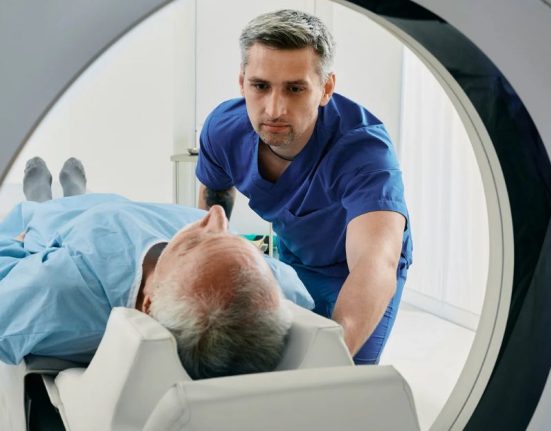
Medical travel in Malaysia refers to travelling to Malaysia to obtain planned medical treatment, specialist consultation, diagnostic services, or other healthcare services. Malaysia has an established healthcare travel sector serving patients from Singapore, Indonesia, and other countries. International patients considering treatment in Malaysia should understand how private healthcare is regulated, how doctors and hospitals can be verified, how treatment may be financed, and what medical records they should obtain before returning home.
Medical Travel in Malaysia: Regulatory Framework and Patient Protections
Private healthcare in Malaysia operates under government oversight to enforce clinical quality, operational safety, and ethical practice across all medical facilities.
- Ministry of Health Malaysia (MOH): The central governing body overseeing national health standards, facility licensing, and health policy.
- Malaysian Medical Council (MMC): The statutory body responsible for medical practitioner registration, maintaining the Specialist Register, and overseeing professional conduct.
- Private Healthcare Facilities and Services Act 1998 (Act 586): Provides the statutory framework for regulating private healthcare facilities and services, including licensing requirements and certain professional fee provisions.
- Malaysia Healthcare Travel Council (MHTC): A government-linked organisation under the Ministry of Health created to facilitate and promote the healthcare travel ecosystem.
1. Private Healthcare Facilities and Services Act 1998 (Act 586)
Private hospitals, ambulatory care centres, and other regulated private healthcare facilities are subject to approval and licensing requirements under Act 586 and its subsidiary regulations. The statutory framework covers requirements relating to healthcare facilities, services, staffing, patient safety and operational management.
2. Regulated Professional Fee Schedules
Certain professional fees charged by private hospital specialists are regulated under Schedule 13 of the Private Healthcare Facilities and Services Regulations 2006. Under these provisions, certain professional fees charged by private specialists are subject to statutory maximum amounts for consultations and procedures.
However, this regulation applies specifically to doctor fees and does not mean a patient’s total hospital bill is fixed. Total charges also include hospital facility fees, nursing care, laboratory investigations, diagnostic imaging, medicines, implants, and room accommodation. Patients should request a written itemised cost estimate prior to treatment.
3. Malaysia Healthcare Travel Council (MHTC) Role
MHTC is a government-linked entity under the Ministry of Health that facilitates and promotes Malaysia’s healthcare travel sector. It works with healthcare providers and government agencies to support the healthcare travel ecosystem, providing information and assistance for international healthcare travellers.
MHTC is a facilitation and promotional body rather than a statutory healthcare regulator or accreditation authority. MHTC membership should not be treated as a substitute for statutory licensing or independent hospital accreditation.
Hospital Quality Standards & Accreditations
To evaluate a private facility’s quality standards, international patients can look for recognised independent healthcare accreditations alongside statutory MOH licensing.
| Accreditation Organisation | Structure | Core Focus Areas |
| Malaysian Society for Quality in Health (MSQH) | A Malaysian not-for-profit organisation that administers voluntary healthcare accreditation programmes. | Clinical governance, patient safety, nursing care, facility management, patient rights, and performance improvement. |
| Joint Commission International (JCI) | An international healthcare accreditation organisation based in the United States. | Patient safety, clinical care, medication management, infection prevention and control, and governance. |
Patients can use MHTC’s hospital directory to identify participating healthcare providers and review information about available specialties and accreditation. Hospital accreditation should be checked separately, as MHTC membership and independent accreditation are distinct statuses.
International Patient Financing & Payment Methods
Financing medical care in Malaysia involves distinct avenues depending on insurance coverage, national healthcare schemes, and institutional policies.
| Patient Group | Potential Payment Route | What Patients Should Check |
| Singapore Citizens & PRs | MediSave for eligible overseas treatment | For elective overseas treatment, the Central Provident Fund (CPF) Board states that Singapore Citizens and PRs must obtain a referral from the MediSave-accredited healthcare provider, Health Management International (HMI). Patients should confirm eligibility, applicable treatment limits, and MediSave withdrawal limits with HMI and the CPF Board before travelling. |
| Patients with International Insurance | Insurance direct billing or reimbursement via Letter of Guarantee (LOG) | Whether the Malaysian hospital is in-network, if the specific procedure is covered, whether pre-authorisation is required, and if a LOG will be issued directly to the hospital. |
| Self-Pay Patients | Direct payment to the hospital | Facility-specific deposit requirements, accepted payment methods (such as cards or bank transfers), estimated professional fees, and billing timelines. |
Arrangements for direct billing or Letters of Guarantee depend entirely on the patient’s individual insurance policy, the third-party administrator (TPA), and whether the hospital maintains an active billing agreement with that insurer.
Medical Records & Continuity of Care
Maintaining clinical continuity between your attending specialist in Malaysia and your primary physician at home is essential for post-treatment recovery.
Discharge Medical Dossier Checklist
- Clinical Discharge Summary: Signed diagnosis, treatment summaries, operative notes, and comprehensive post-procedure instructions.
- Diagnostic Imaging Files: Diagnostic scans (MRI, CT, Ultrasound, or X-rays) provided in digital format.
- Laboratory & Histopathology Reports: Copies of all blood panels, pathology, and tissue biopsy results.
- Prescription Summaries: List of take-home medications containing active pharmaceutical ingredients (generic names) alongside dosage instructions.
Practical Steps for Medical Record Transfers
- Request Diagnostic Imaging Copies: Ask the hospital for copies of your diagnostic imaging and reports before returning home. Where available, imaging may be supplied in digital DICOM format or through a secure portal. Confirm with your home doctor which format is preferred for their local systems.
- Request a Complete Discharge Summary: Obtain a detailed discharge document signed by the attending specialist detailing surgical findings, pathology reports, administered medications, and follow-up care schedules.
- Prescription Protocols: Where possible, ask for the active pharmaceutical ingredient (generic name), dosage, and instructions to be included in your medication list alongside any brand names to facilitate refill continuity with your local doctor.
Practical Patient Checklist: Planning Your Journey
- Pre-Arrangement: Send existing medical records and diagnostic imaging to the hospital’s International Patient Centre to request a preliminary consultation or written treatment estimate.
- Financial & Insurance Verification: Confirm whether a Letter of Guarantee (LOG) will be issued and what costs it covers, or verify Singapore MediSave referral eligibility via HMI before departing.
- Travel & Immigration Logistics: Check visa and entry requirements based on your nationality. For long treatments, consult the hospital’s International Patient Centre regarding stay requirements. Do not assume a medical condition automatically extends a social visit pass.
- Clinical Discharge Collection: Collect physical and digital copies of all lab reports, signed discharge summaries, and radiology files before leaving the hospital.
How to Choose a Hospital for Medical Travel in Malaysia
When selecting a medical facility in Malaysia, perform the following verification steps:
- Verify that the facility holds active statutory licensing under MOH (Act 586).
- Check that your attending doctor is registered on the Malaysian Medical Council’s Specialist Register.
- Review current hospital accreditations (such as MSQH, JCI, or other recognised bodies).
- Request a written itemised cost estimate covering professional fees and hospital charges.
- Confirm insurance, LOG, or MediSave coverage mechanics with both the payer and the hospital prior to travelling.
- Confirm that the hospital’s International Patient Centre offers administrative support for international record transfers.
Contact Us
Navigating overseas healthcare options, verifying specialist credentials, and connecting with accredited medical centres can be complex. If you or a loved one are seeking specialist medical care, second opinions, or elective procedures in Malaysia or regionally, we can help connect you with accredited healthcare providers and arrange an appointment.
Frequently Asked Questions (FAQs)
Are Malaysian medical specialists regulated?
Yes. Doctors who practise as specialists in Malaysia must be registered with the Malaysian Medical Council’s Specialist Register in their specific field. Patients can verify specialist registration directly through the MMC’s online Specialist Register database.
Can I extend my stay in Malaysia if my treatment requires more time?
Patients who require a longer stay should discuss their immigration status with their hospital’s International Patient Centre and the Malaysian Immigration Department well before their existing pass expires. The appropriate immigration procedure depends on the patient’s nationality, existing pass, and treatment arrangements. Do not assume that a medical condition automatically extends a social visit pass.
Do I need to translate my medical documents before travelling to Malaysia?
Requirements vary between hospitals. Medical records in English are generally easier for Malaysian healthcare teams to review. If your records are in another language, check with the hospital or International Patient Centre whether an English translation is required before your appointment.
How does emergency care work for international patients in Malaysia?
In a medical emergency, patients should seek immediate attention at the nearest suitable emergency department. Private hospitals may require payment arrangements, financial deposits, or insurance authorisation for ongoing treatment and inpatient admission following emergency stabilisation. International patients should carry relevant insurance details and identification where possible.
All content on this site is informative only and is not intended to be a substitute for professional medical advice,
diagnosis, or treatment, and should never be relied upon for specific medical advice.
If you are experiencing a medical emergency, call 999 immediately or go to the nearest Accident & Emergency department.
365Asia is a member of Group 365Asia.