What Is Men’s Health?
Men’s Health is a broad, multidisciplinary area of healthcare rather than a single standalone medical discipline. It encompasses the prevention, diagnosis, and management of physical, hormonal, metabolic, and psychological conditions that affect men or may present with distinct clinical patterns in male patients.
Because men’s health issues often involve interconnected physiological systems, comprehensive care typically draws upon several medical specialities:
- Urology: Diagnosis and medical or surgical management of lower urinary tract symptoms, benign prostatic hyperplasia (BPH), prostate conditions, and structural male reproductive disorders.
- Andrology & Sexual Medicine: Sub-specialised care focusing on male reproductive health, erectile dysfunction (ED), ejaculatory disorders, male factor infertility, and penile structural conditions.
- Endocrinology: Assessment of complex hormonal pathways, including hypothalamic-pituitary-gonadal axis disorders, thyroid dysfunction, and diabetes-related metabolic complications.
- Primary Care & Preventive Medicine: General health screening, cardiovascular risk stratification, lifestyle interventions, and early detection of chronic disease.
An integrated, multi-speciality approach allows for early evaluation, helping patients address underlying risk factors before conditions progress into more complex health challenges.
Back To: Kuala Lumpur Private Healthcare & Medical Tourism Guide
Men’s Health Trends & Prevalence In Malaysia
Prostate cancer is an important men’s health concern in Malaysia. The Malaysian National Cancer Registry Report 2017–2021 recorded 6,441 prostate cancer cases and ranked prostate cancer as the third most common cancer among Malaysian men during that reporting period. The report also found that incidence increased markedly with age, particularly from around 50 years onwards.
Benign prostatic hyperplasia (BPH), a non-cancerous enlargement of the prostate, also becomes increasingly common with age. Malaysian Ministry of Health (MOH) material has cited BPH in approximately half of men aged 60 years and above, although reported prevalence varies across studies depending on the population evaluated and the diagnostic criteria used.
Erectile dysfunction (ED) is another common concern among men and is frequently associated with underlying vascular or metabolic conditions such as diabetes mellitus, hypertension, dyslipidaemia, and coronary artery disease. Malaysian epidemiological data vary considerably between studies because reported prevalence depends heavily on patient age, study setting, and the validated assessment tools utilised. An MOH Malaysia men’s health document reported an age-adjusted prevalence of moderate or complete ED of 22% in Malaysia.
Regarding healthcare delivery, Kuala Lumpur has a large private healthcare sector providing diagnostic services, specialist consultations, and surgical facilities for local and international patients.
What Are The Causes & Risk Factors For Men’s Health Issues?
Men’s health conditions typically develop from a combination of vascular, endocrine, lifestyle, and physiological risk factors:
- Vascular Function: Erectile dysfunction can be associated with underlying cardiovascular disease and may provide an opportunity to identify previously unrecognised cardiovascular risk.
- Age-Related Hormonal Trends: Circulating testosterone levels generally decline gradually with advancing age. However, this physiological decrease does not automatically result in clinically significant or symptomatic testosterone deficiency in every man.
- Metabolic Syndrome & Obesity: Excess adiposity, insulin resistance, and metabolic dysfunction are associated with altered hormone regulation, lower serum testosterone levels, systemic inflammation, and an increased risk of microvascular complications that can impact both erectile and urinary function.
- Chronic Health Conditions: Poorly controlled hypertension, high cholesterol, and type 2 diabetes damage microvascular networks and nerve pathways, contributing to both erectile difficulties and lower urinary tract symptoms.
- Smoking & Excess Alcohol: Tobacco use impairs endothelial function and arterial reactivity, while heavy alcohol consumption can disrupt metabolic processes and central signalling pathways involved in hormone production.
What Are The Symptoms Of Men’s Health Conditions?
Symptoms vary depending on the underlying physiological mechanism. Because many early signs develop gradually, men may attribute changes to normal ageing rather than seeking a clinical evaluation.
Urinary & Prostate Symptoms
- Difficulty starting or maintaining a steady urinary stream (hesitancy).
- A weak, slow, or interrupted stream of urine.
- Increased urinary frequency during the day.
- Waking frequently at night to urinate (nocturia).
- Sudden, strong urges to urinate (urgency).
- A persistent sensation that the bladder has not emptied completely.
- Presence of blood in the urine.
- Persistent or recurrent blood in the semen, particularly when accompanied by other symptoms, should be medically assessed.
Sexual & Hormonal Symptoms
- Persistent difficulty achieving or maintaining an erection adequate for sexual activity.
- Noticeable decrease in sexual desire or libido.
- Reduced frequency of spontaneous or morning erections.
- Persistent, unexplained fatigue or reduced physical stamina.
- Loss of muscle mass or reduced strength.
- Changes in body composition, such as increased visceral fat.
- Unexplained mood fluctuations or difficulties with concentration.
Note: These symptoms are non-specific and can overlap between different conditions. Persistent or worsening symptoms should be systematically evaluated by a qualified doctor rather than assumed to be an inevitable part of ageing.
How To Prevent Men’s Health Issues?
Adopting proactive health habits and seeking appropriate clinical guidance can help reduce the risk or progression of metabolic, cardiovascular, and urological conditions:
- Discuss Appropriate Screening: Men should consult a primary care doctor or specialist to determine an individualised screening plan. Prostate cancer risk assessment may include PSA testing and clinical examination, depending on the individual’s age, overall health, family history, and other risk factors.
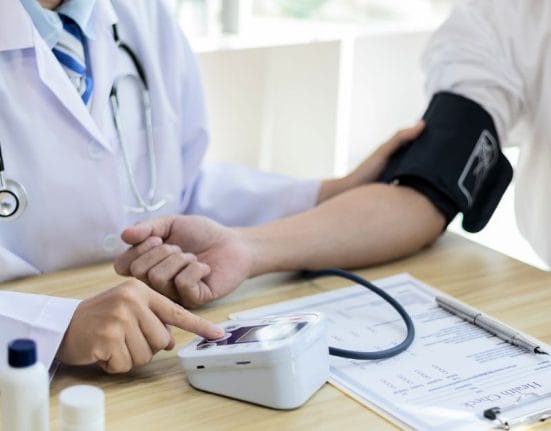
- Manage Cardiovascular & Metabolic Risk: Regularly monitor and manage blood pressure, serum lipids, and blood glucose levels. Maintaining cardiovascular health protects vascular function throughout the body, supporting both heart and erectile health.
- Stay Physically Active: Aim for 150–300 minutes of moderate-intensity aerobic physical activity per week, or 75–150 minutes of vigorous-intensity activity, together with muscle-strengthening activities on at least two days per week, where appropriate.
- Maintain A Healthy Weight: A balanced, nutrient-dense diet combined with regular exercise supports metabolic health, healthy hormone regulation, and optimal cardiovascular function.
- Avoid Tobacco & Limit Alcohol: Quitting smoking improves endothelial health and blood flow, while limiting alcohol intake helps maintain metabolic and neurological function.
- Prioritise Sleep: Consistently obtaining 7 to 8 hours of quality, uninterrupted sleep supports normal metabolic function, hormonal balance, and overall physical recovery.
What Are The Costs Of Men’s Health Screening & Diagnostic Tests In Kuala Lumpur?
Diagnostic testing for men’s health in Kuala Lumpur ranges from general health screening to sub-specialised urological investigations. Healthcare providers typically bundle initial tests into structured health packages, while advanced investigations are ordered on a targeted, clinical basis.
Diagnostic testing for men’s health in Kuala Lumpur ranges from general health screening to sub-specialised urological investigations. Healthcare providers typically bundle initial tests into structured health packages, while advanced investigations are ordered on a targeted, clinical basis.
| Category / Diagnostic Service | Primary Purpose & Description | Indicative Private Sector Cost (KL – MYR)* |
| General Men’s Health Screening Package | Basic to comprehensive blood panels (lipids, HbA1c, kidney/liver function), resting ECG, and physical examination. | RM 350 – RM 2,000+ |
| Prostate-Focused Screening Package | Specialist consultation, physical examination, PSA test, pelvic ultrasound, uroflowmetry, and post-void residual assessment. | RM 400 – RM 800+ |
| Prostate-Specific Antigen (PSA) Test | Blood test used as part of prostate cancer risk assessment; elevated levels require clinical correlation as they can also stem from BPH or prostatitis. | RM 400 – RM 500+ (Included in packages) |
| Hormonal Assessment | Morning serum total testosterone; additional testing (such as LH, FSH, or prolactin) may be requested if initial results are low. | Varies according to specific panels ordered |
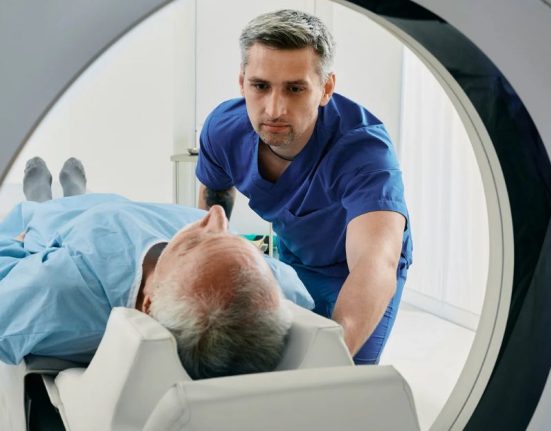
| Multiparametric MRI (mpMRI) Prostate | Advanced diagnostic imaging utilised when clinically indicated (e.g., following an elevated PSA or abnormal examination) to evaluate suspicious lesions. | RM 1,200 – RM 3,500+ |
| Penile Doppler Ultrasound | Vascular imaging investigation ordered selectively by specialists to assess arterial inflow and possible veno-occlusive dysfunction in men with complex ED. | RM 300 – RM 800+ |
*Note: Indicative costs reflect broad private sector estimates in Kuala Lumpur for 2026 based on published hospital screening packages and clinic tariffs. Prices vary significantly depending on the hospital facility, specialist seniority, and exact diagnostic components included. Obtain a direct quote from your selected healthcare provider.
Which Doctor For Treatment Of Men’s Health In Kuala Lumpur?
Depending on the specific symptoms and underlying condition, care may be managed by different medical specialists:
1. General Practitioner (GP) / Family Physician
Primary care doctors provide initial health assessments, routine chronic disease screening, cardiovascular risk management, and basic initial evaluations for lower urinary tract or sexual symptoms. They coordinate referrals to relevant sub-specialists when specialised diagnostic workups or interventions are indicated.
2. Urologist
- Surgical specialists focused on the diagnosis and treatment of conditions affecting the male urinary tract and male reproductive system. Urologists manage conditions such as BPH, prostate cancer, bladder issues, kidney stones, and structural urological disorders.
3. Andrologist / Sexual Medicine Specialist
A physician with specialised training or clinical expertise in male reproductive health, sexual function, male infertility, and related conditions. Depending on the condition, care may overlap with urology and endocrinology.
4. Endocrinologist
Medical specialists who evaluate and treat complex endocrine disorders. They manage complex hormone deficiencies, metabolic syndrome, thyroid dysfunction, and poorly controlled diabetes.
Doctors For Men’s Health In Kuala Lumpur
Patients seeking specialist consultations in Kuala Lumpur may consider the following doctors:

Which Hospitals And Medical Centres Are There For Screening & Treatment?
Kuala Lumpur features a broad network of private tertiary hospitals and dedicated diagnostic centres offering men’s health evaluations, diagnostic imaging, specialist consultations, and surgical procedures. Several facilities maintain accreditation from national bodies such as the Malaysian Society for Quality in Health (MSQH) or international accreditation organisations. Accreditation status varies by institution and should be verified directly with the provider.
Private Hospitals in Kuala Lumpur
- Gleneagles Hospital Kuala Lumpur (Ampang): A tertiary private hospital offering multi-speciality urology services, health screening programmes, and diagnostic imaging.
- Prince Court Medical Centre (Kuala Lumpur City Centre): Provides executive health screening programmes, urological consultations, and surgical care facilities located near the city centre.
- Pantai Hospital Kuala Lumpur (Bangsar): A private facility offering diagnostic imaging, minimally invasive urological options, and day-surgery suites.
- Sunway Medical Centre Velocity (Cheras): A tertiary private hospital offering health screening, diagnostic imaging, and specialist urology services.
What Is The Cost Of Men’s Health Treatment In Kuala Lumpur?
Treatment costs in the private sector vary depending on whether the condition is managed with conservative lifestyle changes, prescription medications, or surgical interventions.
| Treatment / Procedure | Clinical Context & Purpose | Indicative Private Sector Cost (KL – MYR)* |
| Testosterone Replacement Therapy (TRT) | Pharmacological treatment that may be considered for men with confirmed hypogonadism following repeat morning testosterone measurements and clinical monitoring. | RM 500 – RM 3,000+ |
| Low-Intensity Shockwave Therapy (Li-ESWT) | Non-invasive therapy option that may be considered in selected patients with erectile dysfunction; clinical suitability and treatment response vary between patients. | RM 300 – RM 600+ per session (packages vary by provider) |
| Transurethral Resection of the Prostate (TURP) | Surgical procedure to relieve bladder outlet obstruction caused by enlarged prostate tissue in suitable BPH candidates. | RM 8,500 – RM 27,000+ |
| Prostate Laser Procedures | Surgical options such as HoLEP or GreenLight laser therapy used to relieve prostate obstruction in selected men with BPH. | RM 30,000 – RM 35,000+ |
| Robotic-Assisted Radical Prostatectomy | Surgical removal of the prostate utilising robotic precision systems, which may facilitate nerve-sparing techniques where clinically appropriate. | RM 38,000 – RM 60,000+ (broad estimate for multi-day inpatient packages) |
*Note: Figures are broad indicative estimates for private healthcare facilities in Kuala Lumpur in 2026 and should not be interpreted as fixed tariffs. Actual costs depend on doctor fees, room category, length of stay, surgical consumables, and individual patient complexity. Patients should request an itemised quotation prior to undertaking treatment.
Treatment Approaches
1. Lifestyle & Risk Factor Management
- Cardiovascular & Metabolic Support: Regular physical activity, including resistance and aerobic exercise, supports overall cardiovascular, metabolic, and sexual health.
- Pelvic Floor Exercises: Targeted pelvic floor muscle training may assist selected men experiencing specific urinary symptoms or erectile difficulties when recommended as part of a formal care plan.
- Stress Management: Addressing psychological stress and maintaining good sleep hygiene supports overall wellbeing and may help where lifestyle or psychological factors contribute to symptoms.
2. Medical Management
- PDE5 Inhibitors: Oral medications prescribed under medical supervision to manage erectile dysfunction in suitable candidates.
- BPH Medications: Alpha-blockers (to relax bladder neck smooth muscle) or 5-alpha reductase inhibitors (to reduce prostate volume over time in men with enlarged prostates) may be prescribed based on clinical evaluation.
- Monitored Hormone Therapy: Testosterone replacement therapy may be considered in men with confirmed testosterone deficiency and compatible symptoms following clinical evaluation and appropriate safety monitoring, which may include assessment of prostate health and haematocrit.
3. Surgical & Advanced Interventions
- Prostate Surgery for BPH: When medical management is insufficient for lower urinary tract obstruction, procedures such as TURP or prostate laser techniques (such as HoLEP or GreenLight) may be considered. Ejaculatory and sexual effects can vary depending on the procedure and patient factors.
- Robotic-Assisted Surgery: Utilised in select surgical cases, such as radical prostatectomy for localised prostate cancer, allowing precise dissection where nerve-sparing approaches are deemed clinically appropriate by the surgeon.
What Are The Insurance And Financing Considerations For This Condition?
Private Medical Insurance & Financing Coverage
- International & Regional Health Insurance: Patients holding international private medical insurance policies (such as Cigna, Bupa, or Allianz) should verify coverage details and direct-billing arrangements with their insurer prior to booking appointments at private hospitals in Kuala Lumpur.
- Singapore Integrated Shield Plans (IPs): Integrated Shield Plan coverage for planned overseas treatment depends on the individual insurer and policy terms and should be confirmed with the provider before making treatment arrangements.
- Singapore MediShield Life: MediShield Life does not cover overseas medical treatment.
- Singapore MediSave Scheme: Eligible Singapore Citizens and Permanent Residents may use MediSave for certain overseas elective hospitalisations and day surgeries at participating hospitals in Malaysia, subject to applicable requirements and withdrawal limits. As of September 2026, the participating Malaysian hospitals are Mahkota Medical Centre and Regency Specialist Hospital in Johor. MediSave should not be assumed to cover treatment at hospitals in Kuala Lumpur, outpatient consultations, screening packages or other elective services. Patients should confirm eligibility and referral arrangements with the relevant provider before making plans.
- Self-Pay Options: For elective screening packages or procedures not covered by insurance, private facilities in Kuala Lumpur accept direct payment in Malaysian Ringgit (MYR). Patients should request detailed cost breakdowns in advance.
Find A Financial Adviser
Navigating critical illness claims, understanding policy exclusions, and coordinating co-payments can be complex. You may consult registered financial advisers or insurance representatives to review your existing policy limits or set up dedicated health protection plans.
If you are looking for a financial adviser to help navigate the complexities of insurance claims and financial planner for medical contingencies, you can consider our Preferred Financial Adviser partners:


Featured Doctor - Dr Yee Sze-Voon
Government Subsidies, EPF, & National Healthcare Safety Nets
- MOH Government Hospital Subsidies: Malaysian citizens accessing public healthcare institutions receive heavy subsidies (up to 90%–98% of overall costs) for cardiac diagnostic testing, medical treatment, and surgical procedures based on government fee structures.
- EPF (KWSP) Medical Withdrawal: Account 2 (Akaun Sejahtera) of the Employees Provident Fund allows members to withdraw savings to cover approved medical expenses and necessary surgical equipment (such as cardiac stents or pacemakers) for themselves or immediate family members at recognized healthcare facilities.
- mySalam Scheme: Eligible lower-income Malaysians (B40 group) registered under national aid registries receive coverage under the mySalam takaful scheme. This provides a one-time critical illness cash payout of RM 8,000 upon official diagnosis of a covered critical illness, alongside a daily hospitalisation allowance of RM 50 per day (up to 14 days per year) at public hospitals.
- SOCSO / PERKESO Health & Invalidity Schemes: Working contributors under the Social Security Organisation may apply for invalidity pensions, physical rehabilitation support, or medical expense coverage if CAD leads to sustained occupational disability.
Medical Travel & Concierge Logistics
- Malaysia Healthcare Travel Council (MHTC): MHTC-member hospitals can assist eligible international patients with relevant medical-travel documentation, including medical eVisa support where applicable under Malaysian immigration rules.
- Hospital International Patient Services: Major private hospitals in Kuala Lumpur maintain dedicated International Patient Centres (IPC) that assist with appointment scheduling, preliminary cost estimations, airport transfer arrangements, and local accommodation logistics.
- Travel Accessibility: Kuala Lumpur is accessible from Singapore via direct flights of approximately one hour, as well as cross-border road and rail connections from Johor. Travel times by road vary depending on traffic conditions at border checkpoints and highways.
FAQs
Why should men discuss prostate cancer screening with their doctor?
Prostate cancer can develop without obvious symptoms in its early stages. A PSA blood test may help identify men who require further evaluation, but an elevated PSA level does not by itself diagnose prostate cancer, as levels can also rise due to BPH or inflammation. Men should discuss the benefits and limitations of screening with a doctor to determine if testing is appropriate based on age, family history, and personal risk factors.
Is Erectile Dysfunction (ED) an early sign of an underlying heart condition?
ED can be an early marker of underlying vascular or cardiovascular disease. Men experiencing persistent ED should discuss cardiovascular risk factors such as blood pressure, diabetes, cholesterol, smoking, and obesity with a doctor.
Can low testosterone be treated safely?
Diagnosis generally requires compatible symptoms together with low morning testosterone levels confirmed by repeat testing where appropriate. Testosterone replacement therapy (TRT) may be appropriate for men with clinically confirmed testosterone deficiency, but it is not suitable for everyone. Prior to starting and during treatment, doctors monitor key health parameters, including prostate health (PSA), blood counts (haematocrit), and cardiovascular risk factors.
What should Singapore residents consider before traveling to Kuala Lumpur for medical care?
Singapore residents should review policy terms with their health insurance provider, as MediShield Life does not cover planned overseas care, and Integrated Shield Plan coverage depends on specific insurer terms. While MediSave may be used for eligible elective hospitalisations or day surgeries at participating accredited Malaysian hospitals, patients must confirm eligibility beforehand. Additionally, factor travel logistics, recovery duration, and follow-up care into your plans.
How long does an evaluation or procedure take in Kuala Lumpur?
Many routine health screening packages can be completed within a single visit, although the time required and availability of same-day results vary by provider and tests performed. Outpatient procedures and inpatient surgery require different timelines depending on the treatment and recovery. Patients travelling from Singapore should confirm the expected number of visits and follow-up appointments before booking travel.
Contact Us For An Appointment
If you wish to consult a specialist in Kuala Lumpur for men’s health, we can help with an appointment. Contact us via the button below.
Additional Resources
- Profile of men’s health in Malaysia: problems and challenges | NIH
- National Men’s Health Plan of Action Malaysia 2018 – 2023 | MOH
All content on this site is informative only and is not intended to be a substitute for professional medical advice,
diagnosis, or treatment, and should never be relied upon for specific medical advice.
If you are experiencing a medical emergency, call 999 immediately or go to the nearest Accident & Emergency department.
365Asia is a member of Group 365Asia.