What Is Cancer Health Screening?
Cancer health screening refers to testing people who do not have symptoms to detect certain cancers or precancerous changes at an earlier stage, when treatment may be more effective. Screening is generally targeted to specific cancers and risk groups rather than being a single comprehensive test for all cancers.
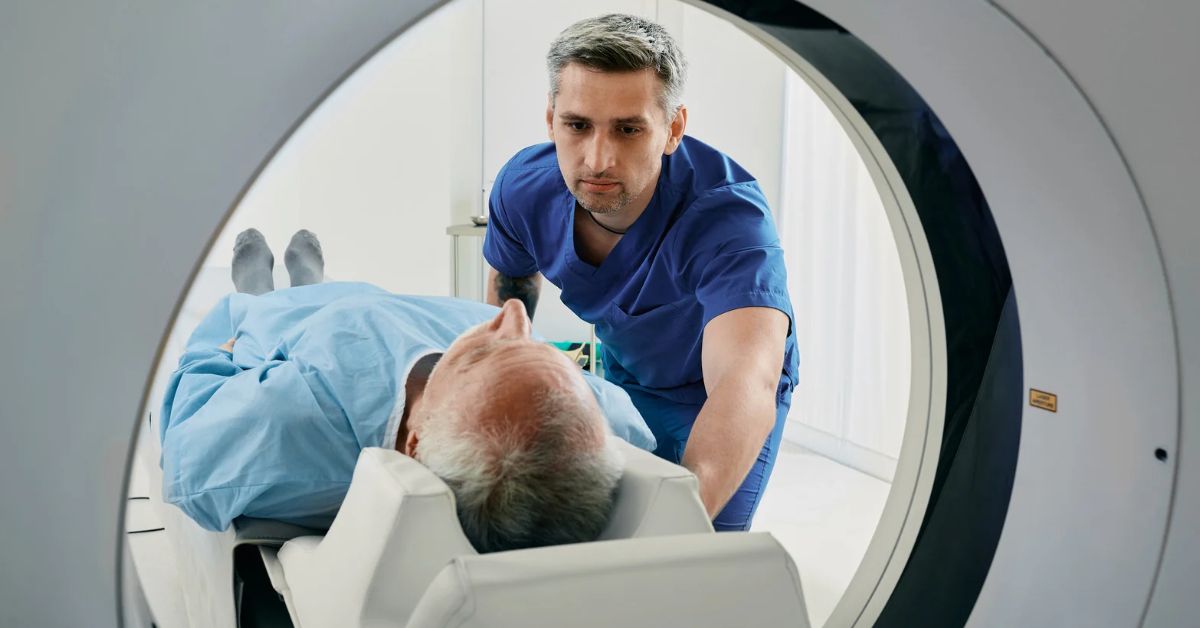
Cancer screening is usually tailored to a specific cancer and an individual’s age, sex, personal medical history, family history and other risk factors. Established screening approaches may include mammography for breast cancer, HPV testing or cervical cytology for cervical cancer, stool-based testing or colonoscopy for colorectal cancer, and low-dose CT for selected people at high risk of lung cancer. Other tests, such as MRI, PET-CT, tumour-marker blood tests and genetic testing, may be used in selected circumstances but are not universal screening tests for everyone.
Back To: Kuala Lumpur Private Healthcare & Medical Tourism Guide
Screening vs Diagnostic Testing: What Is The Difference?
Cancer screening is performed in people who do not have symptoms to identify a specific cancer or precancerous change at an earlier stage. Diagnostic testing is used when symptoms, clinical examination findings, or an abnormal screening result require further investigation.
Not every cancer has a recommended screening test, and a health screening package does not necessarily need to include every available imaging modality or blood panel. The appropriate tests depend on an individual’s age, sex, personal medical history, family history, and personal risk profile.
Cancer Burden In Malaysia
According to the Malaysia National Cancer Registry Report 2017–2021 published by the Ministry of Health (MOH) Malaysia, the lifetime risk of developing cancer increased to 1 in 8 for both Malaysian males and females (defined as the probability of developing cancer before age 75 in the absence of other causes of death).
Colorectal, lung, and prostate cancers represent the most common malignancies in men, whereas breast, colorectal, and lung cancers were the three most commonly reported cancers among Malaysian women in the 2017–2021 registry period. Late-stage presentation remains a significant challenge in Malaysia. In the 2017–2021 registry, 64.8% of cases with recorded staging were diagnosed at Stage III or IV, although the proportion varied by cancer type. This underlines the clinical importance of timely, evidence-based preventive cancer screening for both Malaysian residents and regional medical travellers seeking accessible diagnostic care in Kuala Lumpur.
What Are The Causes Of Malignancy & Key Risk Factors?
Malignancy develops when normal cells acquire genetic mutations that disrupt standard cell division, enabling unchecked proliferation and tissue invasion. While some gene mutations are inherited, the vast majority are acquired over a lifetime through interactions between internal susceptibility and external environmental factors. Primary risk factors include:
- Avoid Tobacco: Do not smoke or use tobacco products, and avoid exposure to second-hand smoke, as inhaled carcinogens damage cellular DNA.
- Chronic Inflammation & Infection: Oncogenic viral infections—such as high-risk Human Papillomavirus (HPV), Hepatitis B and C viruses, and Epstein-Barr Virus (EBV)—can increase the risk of certain cancers, including cervical, liver and nasopharyngeal cancers.
- Metabolic Health & Weight: Excess body weight and obesity are associated with an increased risk of several cancers, including breast, colorectal and endometrial cancers.
- Dietary & Lifestyle Choices: Diets high in processed meat, low in dietary fibre, physical inactivity, excess body weight and alcohol consumption are associated with increased risks of certain cancers.
- Hereditary Genetic Predisposition: Pathogenic germline mutations, such as BRCA1/BRCA2 or Lynch Syndrome alterations, elevate individual lifetime risks for breast, ovarian, and colorectal cancers.
- Environmental & Occupational Exposure: Exposure to ultraviolet (UV) radiation, ionising radiation, asbestos and certain industrial chemicals can increase the risk of specific cancers.
- Advancing Age: Cancer risk generally increases with age, partly because genetic and cellular changes accumulate over time.
What Are The Warning Signs Of Cancer?
Some cancers can develop without noticeable symptoms in their early stages. However, symptoms can occur as a tumour develops or affects surrounding tissues, and persistent or unexplained changes should be medically assessed:
- Unexplained Weight Loss: Losing weight without deliberately changing your diet or physical activity may warrant medical assessment, particularly when persistent or accompanied by other symptoms.
- Persistent Fatigue: Unexplained or persistent fatigue that does not improve with adequate rest, particularly when accompanied by other unexplained symptoms.
- Unexplained Lumps or Tissue Thickening: Unexplained lumps or areas of tissue thickening in the breast, testicles, neck, armpit, groin or other soft tissues.
- Changes in Bowel Habits: Persistent changes in bowel habits, including constipation, diarrhoea, changes in stool appearance, or blood in the stool.
- Persistent Cough or Hoarseness: A persistent cough, hoarseness or other unexplained respiratory symptom that does not improve.
- Skin & Mole Changes: Asymmetry, border irregularity, colour variations, or expansion in existing moles (the ABCDE criteria of melanoma).
- Non-Healing Ulcers or Lesions: Persistent sores inside the oral cavity or on cutaneous surfaces.
- Unusual Bleeding or Discharge: Post-menopausal vaginal bleeding, haemoptysis (coughing blood), or unexplained haematuria.
How To Reduce Cancer Risk?
While screening can support earlier detection, primary prevention strategies help lower cancer risk:
- Avoid Tobacco: Do not smoke or use tobacco products, and avoid exposure to second-hand smoke.
- Maintain A Balanced Diet: Prioritise vegetables, fruit, whole grains and other fibre-rich foods, while limiting processed meat, excess body weight and alcohol consumption.
- Engage In Regular Exercise: Aim for at least 150 minutes of moderate-intensity physical activity per week, where appropriate for your health and fitness level.
- Schedule Preventive Vaccinations: Complete Hepatitis B immunisation to reduce the risk of chronic hepatitis B infection and associated liver cancer, and follow national recommendations for HPV vaccination.
- Limit Alcohol Intake: Keep alcohol consumption low, as alcohol use increases the risk of several cancers.
- Protect Against UV Exposure: Use sun protection, including sunscreen, protective clothing and shade, and avoid excessive exposure to UV radiation.
What Are The Costs Of Screening & Diagnostic Testing In Kuala Lumpur?
Kuala Lumpur has a substantial private healthcare sector serving Malaysian patients as well as international and regional medical travellers. Private healthcare costs vary according to the hospital, investigations, specialist fees and package inclusions, so patients should obtain an itemised quotation before booking. Private hospitals in Kuala Lumpur offer a range of diagnostic technologies, which may include MRI, CT, digital mammography and PET-CT depending on the facility and clinical indication.
Below is an overview of costs across private medical centres and specialist clinics in Kuala Lumpur (2026 estimates):
| Screening / Diagnostic Modality | Clinical Function & Purpose | Estimated Cost (Private Sector – MYR)* | Estimated Cost (Private Sector – SGD)* |
| Selected Tumour Markers | Blood tests that may support the assessment or monitoring of certain cancers in appropriate clinical settings. They are generally not sufficient as stand-alone screening tests in asymptomatic people. | RM 200 – RM 600+ for bundled packages | S$ 150 – S$ 200 for a bundled blood panel tracking 5 to 7 key standard tumour markers |
| Low-Dose CT (LDCT) Thorax | Used for lung cancer screening in selected people at sufficiently high risk, particularly those with a significant smoking history. | RM 300– RM 800+ | S$ 400 – S$ 600+ |
| 3D Digital Mammogram + Breast Ultrasound | Mammography is used for breast cancer screening, while ultrasound may be added in selected patients depending on breast density, clinical findings or individual risk. | RM 300 – RM 500+ | S$ 330 – S$ 550 |
| Ultrasound of Abdomen, Pelvis or Prostate | Uses sound waves to assess selected organs and structures and may be used for further evaluation when clinically indicated. | RM 100 – RM 300+ per scan | S$ 150 – S$ 300+ per scan |
| Upper Endoscopy (OGDS) & Colonoscopy | Used to investigate symptoms, assess selected high-risk individuals and, in the case of colonoscopy, detect and remove precancerous colorectal polyps. | RM 1,500 – RM 4,000+ | S$ 2,300 – S$ 4,500 |
| Whole-Body MRI | Non-ionising imaging that produces detailed images of organs and soft tissues. It may be offered as part of selected private screening programmes, but it is not a universally recommended cancer-screening test for asymptomatic, average-risk individuals. | RM 2,800 – RM 3,500+ | S$ 3,500 – S$ 5,000+ |
| FDG PET-CT Whole Body Scan | Primarily used for cancer diagnosis, staging, treatment planning and assessment of treatment response in selected patients. It is not a routine screening test for healthy, average-risk individuals. | RM 2,000 – RM 3,000+ | S$ 2,00 – S$ 5,000+ |
*Note: Private sector estimates in Kuala Lumpur and Singapore for 2026. Prices vary depending on specialist fees, facility charges, sedation, and specific panel add-ons. Always confirm exact quotes with your chosen hospital.
Which Specialists Manage Cancer Screening & Evaluation?
Navigating cancer screening and evaluation may involve several medical specialists:
1. Health Screening / General Physician
Primary care doctors and health screening specialists evaluate baseline health, family history, and personal risk profiles to recommend appropriate, individualised screening options.
2. Oncologist / Medical Oncologist
Specialists who assess confirmed or suspected cancer, review pathology and imaging findings with the multidisciplinary team, and advise on appropriate cancer treatment and surveillance.
3. Gastroenterologist & Hepatologist
Specialists focused on the digestive tract who perform diagnostic upper endoscopies (OGDS) and colonoscopies to investigate gastrointestinal symptoms or evaluate high-risk patients.
4. Breast Surgeon / Breast Specialist
Specialists who evaluate abnormal breast imaging and clinical findings and manage further investigation, biopsy and surgical treatment when required.
5. Consultant Urologist
Surgeons specialising in the male urinary tract and reproductive system who evaluate elevated Prostate-Specific Antigen (PSA) findings and perform or arrange prostate imaging and biopsy when clinically indicated.
6. Consultant Gynaecologist & Gynaecologic Oncologist
Specialists who provide cervical screening and investigate abnormal cervical, pelvic or reproductive-health findings when required.
Doctors For Health & Cancer Screening In Kuala Lumpur
1. General Medicine & Screening Physicians
For routine checkups, physical exams, blood tests, and personalized cancer risk assessments.

2. Diagnostic & Targeted Screening Specialists
For specific procedures (like endoscopies or Pap smears) and the evaluation of abnormal findings.
Gastroenterologists
Breast Surgeons
Urologist
Which Hospitals And Medical Centres Offer Screening In Kuala Lumpur?
Kuala Lumpur is home to private hospitals and medical centres offering health screening, diagnostic imaging, specialist consultations and international-patient services. Services and facilities vary by hospital:
Major Private Hospitals & Medical Centres:
- Gleneagles Hospital Kuala Lumpur: Offers health screening profiles, including female wellness screening with mammography, breast ultrasound and Pap smear, alongside other diagnostic services.
- Sunway Medical Centre / Sunway Cancer Centre: Offers health-screening services alongside diagnostic imaging, cancer diagnostics, nuclear medicine, molecular diagnostics, and specialist oncology care.
- KPJ Healthcare Group: Selected KPJ hospitals offer structured health assessment packages and diagnostic services. For example, KPJ Damansara Specialist Hospital 2 offers age- and sex-specific health screening packages.
- Subang Jaya Medical Centre (SJMC): Provides health assessment services, diagnostic imaging and specialist oncology care.
What Are The Costs Of Cancer Treatment In Malaysia?
If screening identifies a condition requiring further investigation or treatment, costs in Malaysia’s private healthcare sector can vary substantially depending on the cancer type, stage and treatment plan:
| Treatment / Procedure Modality | Description & Clinical Intent | Estimated Cost (Private Sector – MYR)* |
| Surgical Resection (Surgical Oncology) | Curative or cytoreductive removal of localised solid tumours (e.g., mastectomy, colectomy, prostatectomy). | RM 5,000 and RM 50,000+ |
| Adjuvant / Neoadjuvant Chemotherapy | Systemic cytotoxic drug administration to eradicate micro-metastatic disease (per 6-cycle course). | RM 18,000 – RM 45,000 |
| Targeted Therapy & Immunotherapy | Drug treatments selected according to the cancer type and relevant biomarkers, which may include molecular alterations or immune-related markers such as HER2, EGFR or PD-L1. | RM 4,000 – RM 10,000+ per cycle |
| External Beam Radiotherapy (IMRT / IGRT) | High-precision ionising radiation directed at primary tumour sites to destroy malignant cells while sparing healthy tissue. | RM 15,000 – RM 45,000+ |
*Note: Costs vary significantly based on cancer stage, histological subtype, genomic profiling, inpatient length of stay, and specific drug regimens used.
What Are The Insurance And Financing Considerations?
For Singaporean & International Medical Travellers:
- Out-of-Pocket & Private Insurance: Coverage for planned screening, diagnostic tests or treatment in Malaysia depends on the individual’s insurer and policy terms. Singapore residents should obtain confirmation of overseas coverage and any required pre-authorisation before travelling. Patients should not assume that a Singapore health insurance or Integrated Shield Plan will cover planned care in Malaysia.
- Cross-Border Direct Billing: Some private hospitals have International Patient Centres that can assist with insurance documentation and letters of guarantee where accepted. Patients should confirm eligibility and payment arrangements with both the hospital and insurer before receiving care.
Financing Options for Malaysian Residents:
- EPF / KWSP: Eligible members may apply for Health Withdrawal from Akaun Sejahtera for approved illnesses, healthcare equipment and certain medical expenses, subject to EPF requirements and approval. Eligibility applies to Malaysian and non-Malaysian EPF members below 55 who meet the applicable conditions.
- LHDN Tax Relief: Under the published tax-relief rules, eligible taxpayers may claim up to RM1,000 for medical examinations, including full medical check-ups and disease screening tests, subject to the applicable overall medical-expense relief and assessment-year rules. Retain itemised official receipts.
Find A Financial Adviser
Navigating critical illness claims, understanding policy exclusions, and coordinating co-payments can be complex. You may consult registered financial advisers or insurance representatives to review your existing policy limits or set up dedicated health protection plans.
If you are looking for a financial adviser to help navigate the complexities of insurance claims and financial planner for medical contingencies, you can consider our Preferred Financial Adviser partners:


Featured Doctor - Dr Yee Sze-Voon
Frequently Asked Questions (FAQs)
Why is cancer health screening essential if I feel completely healthy?
Some cancers can develop without noticeable symptoms, but screening is only recommended for certain cancers and risk groups where evidence shows that screening can provide a meaningful benefit. A person who feels healthy should therefore discuss age-, sex- and risk-appropriate screening with a qualified healthcare professional rather than automatically undergoing every available cancer test.
How often should I undergo cancer health screening in Kuala Lumpur?
Screening frequency depends on age, sex, personal medical history, and individual risk factors:
- Breast Cancer: Mammography recommendations depend on age and individual risk. Malaysia’s screening policy recommends annual mammography for women aged 40 and above who have risk factors, while women aged 50 to 74 may undergo mammography every two years.
- Cervical Cancer: Malaysia’s 2023 guideline recommends HPV testing for sexually active women aged 30 to 65. Women who test negative for HPV generally repeat screening every five years. Cytology may be offered to eligible women younger than 30.
- Prostate Cancer: Malaysia does not recommend routine population-wide PSA screening. Men with a family history of prostate cancer may discuss selective screening with a doctor from age 40, taking into account the potential benefits and harms of PSA testing.
- Colorectal Cancer: Malaysia’s clinical guidance recommends colorectal cancer screening for average-risk adults from age 50 to 75, with iFOBT/FIT as the preferred method. A negative test is repeated annually, while a positive result should be followed by colonoscopy. Colonoscopy may also be recommended directly for people at moderate or high risk.
- Lung Cancer: Low-dose CT may be considered for people at sufficiently high risk, particularly those with significant smoking histories. Eligibility should be assessed individually by a doctor rather than assuming that every current or former smoker requires annual CT screening.
Are elevated serum tumour markers (e.g., CEA, PSA) a definitive sign of cancer?
No. An elevated tumour marker does not by itself diagnose cancer. Tumour markers are proteins or substances produced by both normal and cancer cells. Non-cancerous conditions—such as benign inflammation, infections, or organ dysfunction—can also elevate these levels. Conversely, some early-stage cancers do not shed detectable markers into the bloodstream. Tumour markers generally do not perform well as stand-alone screening tests in people without symptoms and should always be interpreted in conjunction with specialist clinical assessment.
Can Singapore residents travel to Kuala Lumpur for a 1-day cancer health screening?
Some private hospitals and medical centres in Kuala Lumpur offer same-day health screening packages. The duration depends on the tests included, whether specialist consultations are required, and whether procedures such as endoscopy are performed. Singapore residents should confirm preparation requirements, appointment times, and expected report turnaround times with the healthcare provider before making travel arrangements.
Contact Us For An Appointment
If you wish to explore cancer screening options in Kuala Lumpur or consult an oncology specialist, we can help with an appointment. Contact us via the button below.
Additional Resources
All content on this site is informative only and is not intended to be a substitute for professional medical advice,
diagnosis, or treatment, and should never be relied upon for specific medical advice.
If you are experiencing a medical emergency, call 999 immediately or go to the nearest Accident & Emergency department.
365Asia is a member of Group 365Asia.