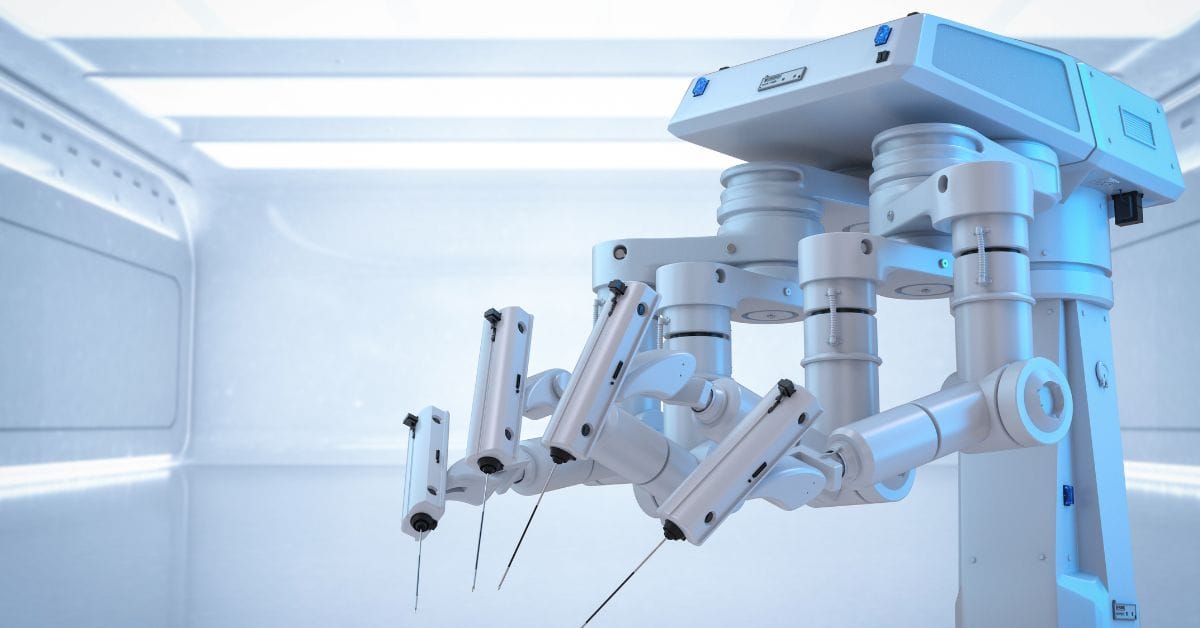
Robotic-assisted surgery—often referred to simply as robotic surgery—is an option available across major private healthcare centres in Malaysia. By combining computer technology with surgical expertise, this approach allows surgeons to perform complex operations through small keyhole incisions with enhanced precision and visual clarity.
While the term “robotic” implies automated operation, the system does not perform surgery on its own. The surgical robot acts as a high-precision assistant, translating the surgeon’s hand movements into micro-movements inside the patient’s body in real time.
How Does Robotic-Assisted Surgery Work?
In robotic-assisted surgery, the surgeon works from a dedicated control console located inside the operating theatre. The system connects three main elements:
- Surgeon Console: The surgeon sits at an ergonomic console equipped with high-definition 3D vision controls and precise hand levers.
- Patient-Side Cart: Positioned right next to the patient, this unit holds flexible robotic arms fitted with specialized surgical instruments.
- High-Definition Vision System: A high-resolution camera provides a magnified, three-dimensional view of the surgical site, enabling the surgeon to see fine tissue structures clearly.
These electronic controls transmit the surgeon’s movements in real time to the patient-side cart. The instruments attached to the robotic arms feature wristed joints designed to bend and rotate with greater range of motion than human hands. Built-in software also filters out natural hand tremors, enabling fine control within small or tight operational spaces.
When Might Robotic Surgery Be Recommended?
Robotic-assisted techniques are used across several surgical disciplines in Malaysia. Treatment suitability depends on individual patient factors, including medical history, body mass index (BMI), previous surgeries, and specific disease characteristics.
Common medical fields utilising robotic assistance include:
1. Urology
- Robotic Radical Prostatectomy: Commonly performed for localised prostate cancer. Precision movement near delicate nerve bundles supports functional preservation, including urinary control and erectile function.
- Robotic Partial or Radical Nephrectomy: Used to remove kidney tumours while preserving healthy kidney tissue where clinically feasible.
2. Gynaecology
- Robotic Hysterectomy: Surgical removal of the uterus for conditions such as severe uterine fibroids, endometriosis, or gynaecological cancers.
- Robotic Myomectomy: Selective removal of fibroids while preserving the uterus for women seeking fertility preservation.
3. Colorectal and General Surgery
- Robotic Colorectal Resection: Removal of diseased bowel segments in patients with colorectal cancer or diverticular disease.
- Robotic Hernia Repair: Precise repair of complex or recurrent abdominal wall hernias.
4. Orthopaedics
- Robotic-Assisted Joint Replacement: Robotic-arm-assisted systems can support procedures such as total or partial knee replacement and hip replacement. Depending on the system, pre-operative imaging and computer-assisted planning can help surgeons plan bone preparation and implant positioning.
Key Differences: Open, Laparoscopic, and Robotic Surgery
| Feature | Traditional Open Surgery | Conventional Laparoscopic Surgery | Robotic-Assisted Surgery |
| Incision Size | One large incision | Several small incisions | Several small incisions |
| Surgical Vision | Direct 2D visual field | 2D or basic 3D monitor view | Magnified 3D high-definition view |
| Instrument Flexibility | Human hand movement | Rigid, straight instruments | Wristed instruments with a greater range of motion and dexterity than conventional rigid laparoscopic instruments |
| Tremor Filter | None | None | Integrated electronic tremor filter |
| Tissue Disruption | Higher tissue disruption | Reduced tissue disruption | Reduced tissue disruption |
Clinical Benefits and Patient Considerations
Robotic-assisted surgery offers several potential benefits compared to conventional open procedures, though individual clinical outcomes vary.
Potential Benefits
Depending on the procedure and individual patient, robotic-assisted surgery may offer:
- Reduced Blood Loss: Precise dissection helps minimise intraoperative bleeding, reducing the necessity for blood transfusions.
- Shorter Hospital Stays: Smaller keyhole incisions typically correspond with lower post-operative pain and faster overall recovery, enabling earlier discharge.
- Smaller Surgical Scars: Multiple small incision sites leave less noticeable scars compared to open abdominal or pelvic surgical cuts.
- Lower Risk of Infection: Reduced tissue exposure lowers the risk of surgical site infections.
Factors to Consider
- Cost: Robotic technology incurs higher equipment and consumable costs compared to conventional surgery.
- Availability: Robotic systems are primarily available in selected private tertiary hospitals and specialist centres in major Malaysian cities, including Kuala Lumpur, Penang, Johor and Kota Kinabalu.
- Specialist Assessment: Not all conditions require robotic assistance. Conventional minimally invasive or open surgery may remain the standard choice depending on clinical needs.
Cost of Robotic Surgery in Private Hospitals in Malaysia
The cost of robotic-assisted surgery in Malaysia varies depending on the medical procedure, hospital stay duration, necessary consumables, surgeon fees, and individual patient comorbidities. Private hospitals often offer fixed-price surgical packages for self-paying patients.
Estimated Cost Ranges
| Procedure Type | Typical Estimated Cost Range (MYR)* |
| Robotic Hernia Repair | RM 21,000 – RM 40,000 |
| Robotic Hysterectomy / Gynaecological Surgery | RM 35,000 – RM 38,000 |
| Robotic Total Knee Replacement | RM 30,000 – RM 55,000 |
| Robotic Nephrectomy (Kidney Surgery) | RM 42,000 – RM 85,000+ |
| Robotic Radical Prostatectomy | RM 38,000 – RM 52,000 |
| Robotic Colorectal Resection | RM 52,000 – RM 65,000 |
*Note: Figures reflect typical base package estimates in Malaysian private hospitals. Additional charges may apply for pre-operative diagnostic scans, room upgrades, extended stays, or management of co-existing conditions.
Insurance Coverage and Financing in Malaysia
- Private Medical Insurance: Private medical insurance may cover medically necessary surgery, subject to the terms, exclusions, limits and eligibility requirements of the individual policy. Coverage of robotic-assisted procedures, specialised consumables and technology-related charges may vary between insurers and policies.
- Self-Pay Packages: Private healthcare centres frequently structure transparent self-paying packages covering surgical fees, ward stay, basic nursing care, and specialized robotic instrumentation.
Contact Us For A Consultation With A Surgeon For Robotic Surgery
If you are looking for a surgeon who is able to perform robotic surgery in Malaysia, we can help connect you with accredited specialists and private hospital networks.
Frequently Asked Questions (FAQs)
1. Does the robot perform the surgery automatically?
No. The robotic system cannot act independently or execute unprogrammed movements. It is entirely controlled by a qualified specialist surgeon who directs every movement from the control console inside the operating room.
2. Is robotic surgery safe?
Robotic-assisted surgical systems are regulatory-approved medical devices used globally. While robotic technology supports precise surgical execution, all surgical procedures carry inherent risks, such as reaction to anaesthesia, bleeding, or infection.
3. How long does recovery take following robotic surgery?
Recovery timelines depend on the procedure, patient age, and overall health condition. Patients undergoing robotic procedures often report less post-operative pain and may return to light daily activities.
4. Where can patients access robotic surgery in Malaysia?
Robotic-assisted surgery is available at selected private hospitals and specialist centres in Malaysia. Current examples include Gleneagles Hospitals, Pantai Hospital Kuala Lumpur, Prince Court Medical Centre and Hospital Picaso. Availability varies by hospital, robotic system, specialty and surgeon, so patients should confirm that the specific procedure is offered before making an appointment.
5. How do patients know if robotic surgery is the right choice?
A patient’s suitability for robotic surgery must be determined during a consultation with a qualified specialist surgeon. The specialist will evaluate the diagnosis, physical health, medical history, and procedural suitability before recommending a treatment plan.
Related Content
All content on this site is informative only and is not intended to be a substitute for professional medical advice,
diagnosis, or treatment, and should never be relied upon for specific medical advice.
If you are experiencing a medical emergency, call 999 immediately or go to the nearest Accident & Emergency department.
365Asia is a member of Group 365Asia.