Robotic surgery—also known as robot-assisted surgery or computer-assisted surgery—has become increasingly common across major private medical centres in Malaysia. Despite its widespread adoption in specialties such as urology, gynaecological oncology, and colorectal surgery, misconceptions about the technology remain prevalent among patients.
These misunderstandings often lead to unnecessary hesitation when a doctor recommends a minimally invasive procedure. Below, we address five common myths surrounding robotic surgery with verifiable clinical facts and local healthcare context for patients in Malaysia.
What is Robotic Surgery?
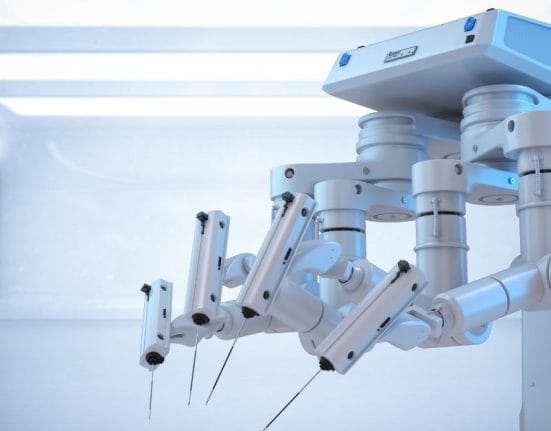
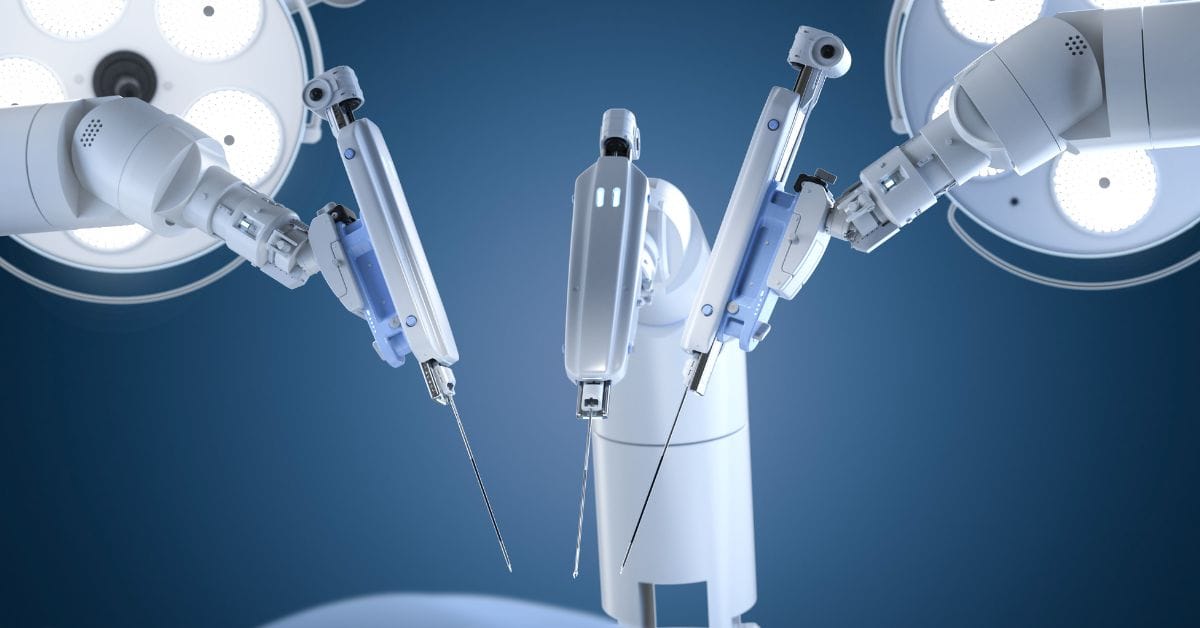
Robotic surgery is a form of minimally invasive procedure where a qualified surgeon performs an operation using a robotic surgical console. The da Vinci Surgical System is one of the best-known platforms for robot-assisted soft-tissue surgery. Other computer-assisted and robotic systems are also used in areas such as orthopaedic joint replacement.
Unlike open surgery, which requires large incisions, or conventional laparoscopy, where tools are rigid, robotic systems provide:
- High-definition 3D visualization: Offering magnified, three-dimensional views inside the surgical area.
- Wristed instrumentation: Tools with dynamic articulation that flex and rotate with greater dexterity than the human hand.
- Tremor filtration: Technology that smooths out microscopic hand movements for controlled precision.
Myth 1: The Robot Operates Autonomously Without Human Control
Fact: The surgeon maintains complete control over the system at all times.
A primary concern among patients is that a robotic system operates independently or relies on automated algorithms to make surgical decisions.
In clinical practice, the system functions strictly under a “surgeon-controlled system” model:
- Direct translation: The robotic arms move only when the operating surgeon physically moves their fingers and hands at the control console inside the operating theatre.
- No autonomous movement: The system does not independently decide where or when to cut, dissect or suture. Instrument movements are controlled by the surgeon from the console.
- Surgical team presence: The surgical and anaesthesia teams remain involved in the operation, with surgical staff at the patient’s side while the console surgeon operates the system.
Myth 2: Robotic Surgery is Experimental and Untested
Fact: Robot-assisted procedures have decades of clinical research and regulatory approval.
Robotic surgical platforms are not experimental. The da Vinci Surgical System received US FDA clearance in 2000 and has since been used in millions of minimally invasive procedures worldwide.
In Malaysia, robotic surgical systems that meet the definition of a medical device are subject to the country’s medical-device regulatory framework administered by the Medical Device Authority (MDA). Private tertiary hospitals in Kuala Lumpur, Selangor, Penang, and Johor have safely operated these platforms for over a decade. Clinical guidelines and formal accreditation frameworks ensure that surgeons undergo structured simulation, proctored instruction, and credentialing before performing robot-assisted operations independently.
Myth 3: Any Surgeon Can Perform Robotic Surgery Without Specialised Training
Fact: Surgeons must undergo rigorous formal training and credentialing.
Operating a robotic console requires specific technical competencies distinct from conventional open or laparoscopic surgery. Being medically registered or qualified as a surgeon does not, by itself, establish competency in a specific robotic surgical platform or procedure.
Before performing robotic procedures independently, surgeons generally require specific training and hospital credentialing in the relevant robotic platform and procedures. Training may include simulator work, practical skills training, supervised clinical cases and assessment of competency. Requirements vary by hospital, specialty and procedure.
- Didactic & Simulator Training: Hours of virtual simulation to master console controls and spatial awareness.
- Dry-Lab & Tissue Training: Practical training on non-human models to practice suturing, tissue handling, and dissecting.
- Proctored Clinical Cases: Performing surgeries under the direct supervision of an experienced robotic proctor.
- Hospital Accreditation: Formal approval by the medical centre’s credentialing committee for specific procedures.
Myth 4: Robotic Surgery is Unaffordable and Excluded from Insurance Coverage
Fact: Out-of-pocket costs vary, and insurance coverage depends on policy terms and medical necessity.
Robotic-assisted surgery can cost more than conventional laparoscopic or open surgery because of specialised equipment, instruments and associated operating costs. However, the total price varies substantially according to the procedure, hospital and individual clinical circumstances.
Cost and Financial Factors in Malaysia
| Aspect | Consideration in Malaysian Healthcare |
| Hospital Charges | Additional costs stem from specialised instrument packs, console maintenance, and system usage fees. |
| Recovery Savings | Reduced length of stay in hospital (e.g., 2 days vs 5–7 days for open surgery) can partially offset overall room, board, and nursing care expenses. |
| Medical Insurance | Insurance coverage for robotic-assisted surgery varies between policies. Some plans may cover medically necessary robotic-assisted procedures subject to policy terms, while others may apply limits or reimburse according to specified surgical benefits. |
| Pre-authorisation | Patients should ask the hospital and insurer whether pre-authorisation or a Guarantee Letter (GL) is required before admission. |
*Patients should obtain a written cost estimate from the hospital and confirm coverage and any pre-authorisation requirements with their insurer before elective surgery.
Myth 5: Robotic Surgery guarantees 100% Success with Zero Risk
Fact: Like any surgical intervention, robotic procedures carry inherent risks.
Although robot-assisted surgery offers significant clinical advantages—such as reduced intraoperative blood loss, lower post-operative pain, smaller surgical scars, and faster return to daily activities—it remains a major medical procedure.
Comparative Summary of Surgical Methods
| Feature | Open Surgery | Conventional Laparoscopy | Robot-Assisted Surgery |
| Incisions | Usually one larger incision | Usually several small incisions | Usually several small incisions, depending on system |
| Instrument Movement | Direct hand control | Mostly rigid instruments | Articulated instruments with wrist-like movement |
| Visualization | Direct surgical field | Magnified camera view on monitor | Magnified 3D view on compatible systems |
| Tremor filtration | No robotic filtering | No robotic tremor filtration | Available on systems such as da Vinci |
| Blood loss/recovery | Varies by procedure | Often lower blood loss and shorter recovery than open surgery | May offer similar or additional benefits in selected procedures |
Potential complications depend on the patient’s overall health, prior abdominal surgeries, and the complexity of the condition (such as advanced cancer staging). General surgical risks include infection, reaction to anaesthesia, bleeding, or conversion to an open procedure if anatomical complications arise. Treatment suitability must always be evaluated individually by a consultant specialist.
Common Applications of Robotic Surgery in Malaysia
Robot-assisted approaches are commonly utilised across several medical disciplines in Malaysian private medical centres:
- Urology: Radical prostatectomy (prostate cancer), partial nephrectomy (kidney tumours), and pyeloplasty.
- Gynaecology: Myomectomy (uterine fibroid removal), hysterectomy, and endometriosis resection.
- Colorectal Surgery: Low anterior resection for rectal cancer and complex bowel surgery.
- Orthopaedics: Computer- and robot-guided total or partial knee and hip replacements.
Contact Us For A Consultation With A Surgeon For Robotic Surgery
If you are looking for a surgeon who is able to perform robotic surgery in Malaysia, we can help connect you with accredited specialists and private hospital networks.
Frequently Asked Questions (FAQs)
How do I know if robotic surgery is suitable for my condition?
Suitability depends on your specific diagnosis, medical history, anatomical factors, and previous surgeries. A consultation with a credentialed specialist will determine whether a robotic approach, conventional laparoscopy, or open surgery offers the best balance of safety and clinical outcome for you.
Will robotic surgery leave scars?
Robotic-assisted procedures generally use several small incisions rather than the larger incision required for many open operations. The number and size of incisions depend on the robotic system and procedure, and small scars may remain after healing.
How long is the recovery period after robot-assisted surgery?
Recovery varies according to the procedure, the patient’s overall health and whether complications occur. Robotic-assisted surgery may allow earlier recovery than some open procedures because it generally involves smaller incisions, but recovery is not necessarily faster than conventional laparoscopy. Your surgeon can provide a more specific estimate based on the operation planned.
Does Malaysian medical insurance pay for robotic surgery?
Coverage policies differ significantly between insurance providers in Malaysia. Some plans cover the procedure fully if deemed medically necessary by the attending specialist, whereas others pay up to the benchmark cost of conventional laparoscopic surgery. Always consult your insurance agent or hospital administrator for pre-authorisation prior to scheduling elective surgery.
Related Content
All content on this site is informative only and is not intended to be a substitute for professional medical advice,
diagnosis, or treatment, and should never be relied upon for specific medical advice.
If you are experiencing a medical emergency, call 999 immediately or go to the nearest Accident & Emergency department.
365Asia is a member of Group 365Asia.