Neurosurgery: Understanding Endoscopic and Minimally Invasive Spine Surgery and Brain Surgery
Neurosurgery: Understanding Endoscopic and Minimally Invasive Spine Surgery and Brain Surgery
Neurosurgery - Understanding Endoscopic and Minimally Invasive Spine and Brain Surgery, And Modern Treatment Pathways
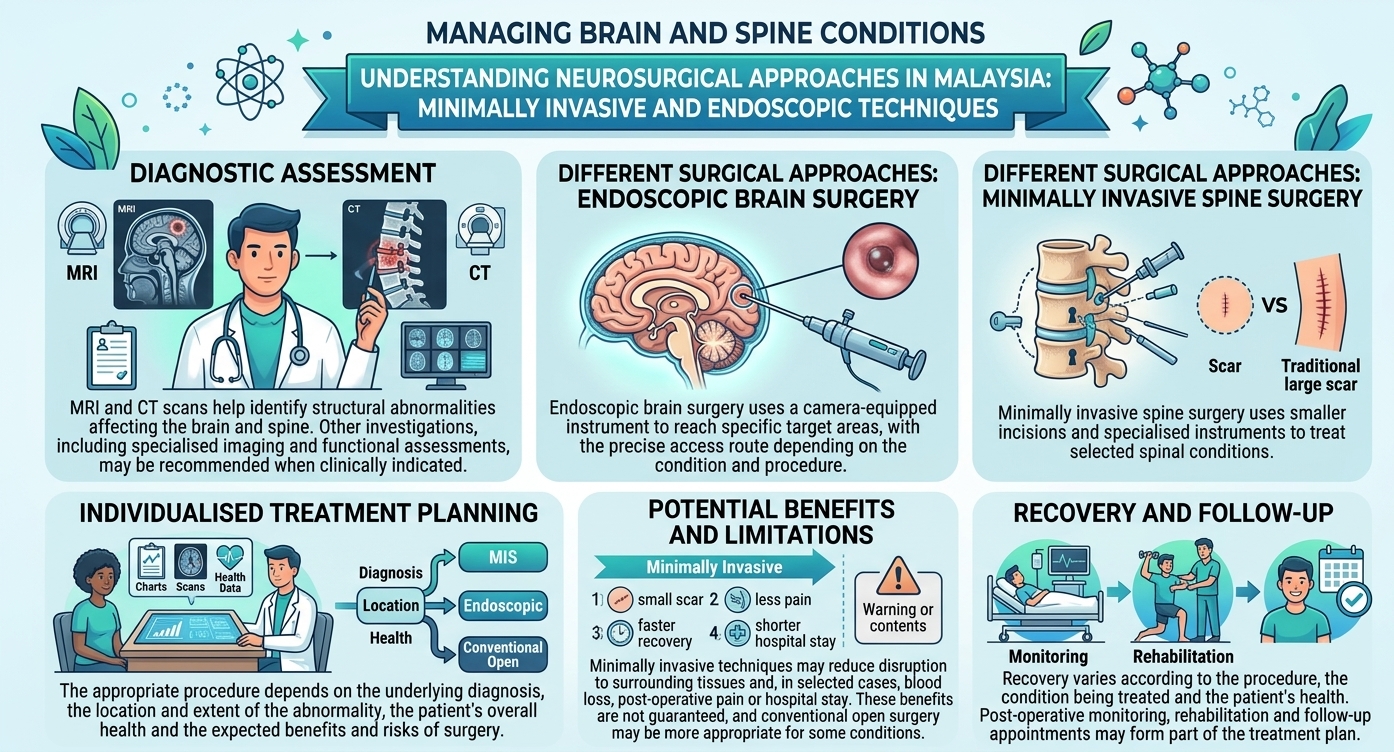
Minimally invasive spine surgery and endoscopic brain surgery are surgical approaches used to treat selected conditions affecting the spine, brain and surrounding structures. In Malaysia, a neurosurgeon may recommend one of these techniques or conventional open surgery, depending on the diagnosis, the location of the condition and the patient’s overall health.
Different Surgical Approaches: Minimally invasive spine surgery uses smaller incisions and specialised instruments to treat selected spinal conditions. Endoscopic brain surgery uses a camera-equipped instrument to reach specific target areas, with the precise access route depending on the condition and procedure.
Individualised Treatment Planning: The appropriate procedure depends on the underlying diagnosis, the location and extent of the abnormality, the patient’s overall health and the expected benefits and risks of surgery.
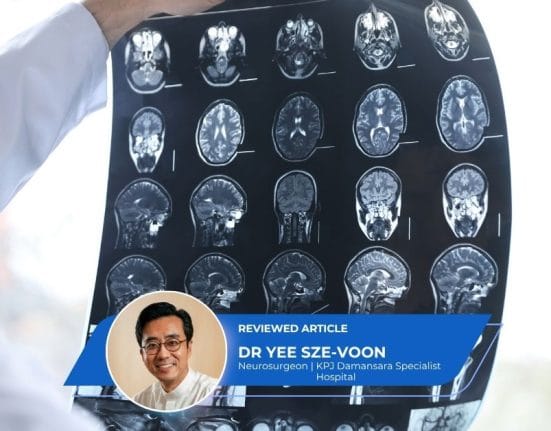
Diagnostic Assessment: MRI and CT scans help identify structural abnormalities affecting the brain and spine. Other investigations, including specialised imaging and functional assessments, may be recommended when clinically indicated.
Potential Benefits and Limitations: Minimally invasive techniques may reduce disruption to surrounding tissues and, in selected cases, blood loss, post-operative pain or hospital stay. These benefits are not guaranteed, and conventional open surgery may be more appropriate for some conditions.
Recovery and Follow-Up: Recovery varies according to the procedure, the condition being treated and the patient’s health. Post-operative monitoring, rehabilitation and follow-up appointments may form part of the treatment plan.
Understanding Neuro-Spinal Conditions: Minimally Invasive Spine Surgery vs. Endoscopic Brain Surgery
The brain is protected by the skull, while the spinal cord is protected by the vertebral column. Conditions affecting these structures, including herniated discs, spinal stenosis, brain tumours and hydrocephalus, may require specialist assessment to determine whether surgical treatment is appropriate.
Minimally invasive and endoscopic neurosurgical procedures differ according to the surgical approach, the anatomical target and the condition being treated:
Selected herniated discs, spinal stenosis and spinal instability
Not all spinal conditions are suitable for minimally invasive techniques.
Endoscopic or keyhole brain surgery
Endoscopic endonasal surgery, endoscopic third ventriculostomy, selected keyhole craniotomies
Selected pituitary or skull-base lesions and obstructive hydrocephalus
Suitability depends on the condition’s location and characteristics.
Endoscopic endonasal surgery can provide access to selected skull-base lesions through the nose, while endoscopic third ventriculostomy may be used for certain cases of obstructive hydrocephalus. Neither technique is suitable for every patient with these conditions.
A neurosurgeon can assess your symptoms and discuss which treatment options may be appropriate for your condition.
What Are the Causes and Risk Factors for Brain and Spine Conditions?
Conditions managed by neurosurgeons have different causes and risk factors. These may include age-related degeneration, congenital abnormalities, tumours, trauma and disorders affecting blood vessels or the circulation of cerebrospinal fluid.
Common Examples Include:
Degenerative spinal conditions: Changes affecting intervertebral discs, joints and other spinal structures may contribute to disc herniation, spinal stenosis and nerve compression.
Spinal injuries: Trauma can damage vertebrae, spinal nerves or the spinal cord and may require urgent assessment.
Brain tumours: These may be benign or malignant and can arise from different types of cells. Risk factors vary according to the tumour type.
Hydrocephalus: An abnormal accumulation of cerebrospinal fluid may occur when its circulation or absorption is disrupted, or in other circumstances affecting fluid dynamics.
Cerebrovascular conditions: Disorders involving the blood vessels supplying the brain may require neurosurgical assessment, depending on their nature and severity.
Risk factors differ between conditions. A person’s medical history, symptoms and diagnostic findings help determine which investigations and treatment options may be appropriate.
What Are The Symptoms And Warning Signs?
Neurological symptoms can have several possible causes. Recognising persistent, worsening or sudden changes can help patients seek appropriate medical assessment.
Spinal nerve compression symptoms: Pain radiating into the legs or arms, localised back or neck pain, numbness, tingling or weakness in the limbs.
Spinal cord involvement: Clumsiness in the hands, difficulty with fine movements, balance problems or changes in walking pattern.
Headaches and other possible intracranial symptoms: Persistent or worsening headaches, nausea, visual changes or cognitive alterations may warrant clinical assessment, particularly when accompanied by other neurological symptoms. These symptoms are not specific to brain tumours or raised intracranial pressure.
Focal neurological signs: Weakness or loss of sensation affecting a particular part of the body, speech difficulties or seizures. Sudden symptoms may indicate a neurological emergency and require immediate assessment.
Emergency Warning: Sudden facial drooping, weakness or numbness affecting one side of the body, difficulty speaking, sudden loss of vision or a sudden severe headache may indicate a stroke or another neurological emergency. Seek immediate emergency medical attention.
New loss of bowel or bladder control, difficulty passing urine or numbness around the genitals or buttocks, or rapidly worsening leg weakness with back pain may indicate cauda equina syndrome. These symptoms also require immediate emergency assessment.
Neurosurgical Diagnosis
An accurate diagnosis is essential for safe, effective neurosurgical care. Consultant neurosurgeons in centres providing neurosurgical services in Malaysia use various diagnostic tools to assess brain and spine conditions.
Magnetic Resonance Imaging (MRI): Helps assess soft tissue structures, including the brain, spinal cord, nerve roots, intervertebral discs and other relevant soft-tissue abnormalities. Specialised techniques such as functional MRI or tractography may be used in selected cases.
Computed Tomography (CT): Provides detailed information about bone structures and is useful for evaluating trauma, acute haemorrhages and bone pathology.
Surgical Navigation and Intraoperative Monitoring: May assist with surgical planning and real-time monitoring of neurological function during selected operations, depending on the procedure and available equipment.
Neurosurgical Treatment Options
Treatment strategies range from conservative non-surgical management to minimally invasive, endoscopic or open surgical procedures.
1. Conservative and Non-Surgical Management
Where clinically appropriate, non-surgical management may be considered before surgery for spinal conditions that do not require urgent intervention. Treatment depends on the underlying diagnosis, symptom severity and neurological findings:
Targeted Physiotherapy: Exercises designed to improve strength, mobility and function, as appropriate to the condition.
Pharmacotherapy: Medications to manage pain, inflammation or muscle spasm.
Interventional Pain Procedures: Image-guided nerve blocks or epidural injections for selected pain conditions when clinically indicated.
2. Minimally Invasive Spine Surgery
Minimally invasive spinal procedures may be considered when non-surgical treatment has not provided sufficient relief, or when clinical findings indicate a need for surgical intervention. Progressive weakness or other worsening neurological deficits require prompt specialist assessment, and treatment urgency depends on the underlying condition:
Endoscopic Discectomy: Uses a small endoscope and specialised instruments to remove herniated disc material in selected patients whose symptoms and clinical findings indicate that surgery may be appropriate.
Tubular Micro-Decompression: Uses specialised tubular retractors to create a path to the spine with reduced muscle disruption, allowing the surgeon to relieve pressure on neural structures in selected cases of spinal stenosis.
Minimally Invasive Spinal Fusion: Uses keyhole techniques and specialised instrumentation to stabilise vertebrae in selected cases of spinal instability.
3. Endoscopic and Keyhole Brain Surgery
Select intracranial conditions may be managed using endoscopic or keyhole techniques:
Endoscopic Endonasal Approach: Provides access to selected pituitary tumours and skull-base lesions through the nasal passages, avoiding a conventional cranial incision in appropriately selected cases.
Endoscopic Third Ventriculostomy: Creates a bypass for cerebrospinal fluid flow in selected cases of obstructive hydrocephalus.
Keyhole Craniotomy: Employs targeted, smaller cranial openings to access specific brain lesions while limiting tissue manipulation.
Surgical Risks and Considerations
All neurosurgical procedures carry potential risks. Depending on the operation, these may include bleeding, infection, nerve injury, cerebrospinal fluid leakage, blood clots, anaesthetic complications and persistent symptoms. The neurosurgeon will explain the expected benefits, potential complications and alternative treatment options for the individual patient. Minimally invasive surgery is not suitable for every condition, and the most appropriate surgical approach depends on the patient’s clinical circumstances.
Our Preferred Doctor You Can Consider For Neurosurgery
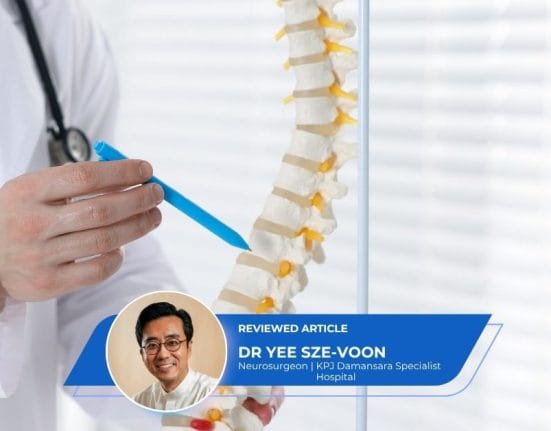
Dr Yee Sze-Voon is a Consultant Neurosurgeon at KPJ Damansara Specialist Hospital. He subspecialises in endoscopic and minimally invasive spine surgery, brain surgery, and pain management.
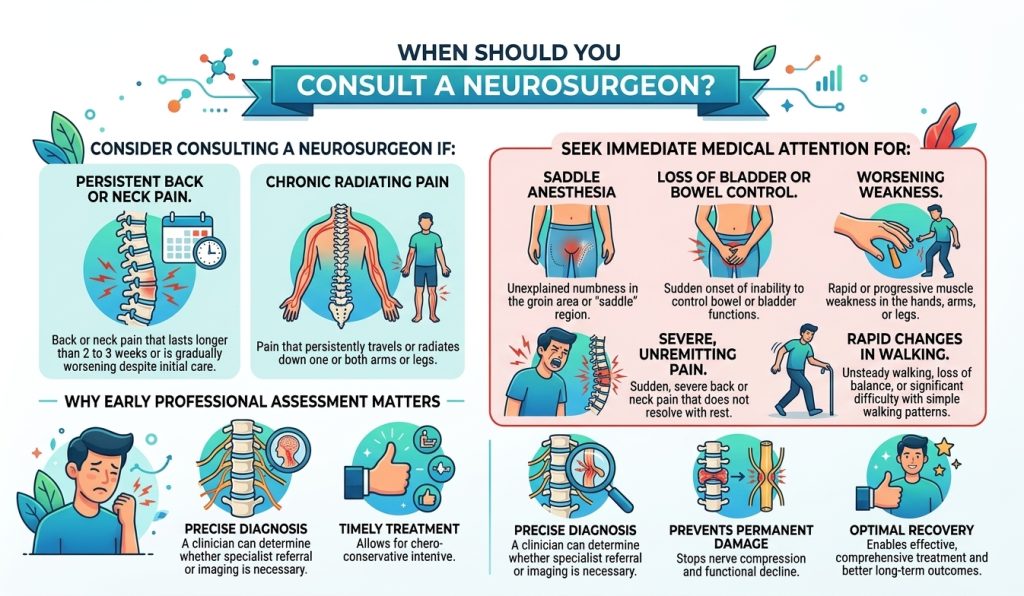
Consider a medical assessment for persistent or worsening back or neck pain, pain radiating into the arms or legs, unexplained numbness, weakness, changes in walking or other symptoms that interfere with daily activities. A clinician can determine whether specialist referral or imaging is necessary.
Immediate Emergency Medical Attention Is Required For:
New loss of bowel or bladder control, difficulty passing urine or numbness around the genitals or buttocks (suspected cauda equina syndrome).
Rapidly progressive weakness or loss of movement in any limb.
Sudden, severe headache, sudden facial drooping, one-sided weakness or numbness, difficulty speaking, loss of consciousness, confusion or new-onset seizures.
What Is the Difference Between Minimally Invasive Spine Surgery and Open Surgery?
Minimally invasive spine surgery uses smaller incisions and specialised instruments to access selected spinal conditions while limiting disruption to surrounding tissues. Open surgery provides wider access and may be more appropriate for certain complex conditions. The choice depends on the diagnosis, surgical objectives and the patient’s individual circumstances.
How Long Does Recovery Take After Endoscopic Brain or Spine Surgery?
Recovery varies according to the condition being treated, the procedure performed, the patient’s general health and whether complications occur. Some patients undergoing selected spinal procedures may resume light activities relatively soon, while others require a longer period of rehabilitation. Brain surgery recovery also varies considerably. Patients should follow their surgeon’s individual instructions.
Is Minimally Invasive Neurosurgery Suitable for Older Adults?
Age alone does not determine whether a person is suitable for surgery. The neurosurgeon will consider the patient’s general health, other medical conditions, the severity of the neurological problem and the potential benefits and risks of the proposed procedure. Minimally invasive techniques may be an option for selected older adults, but they are not automatically safer or more appropriate for everyone.
Are Minimally Invasive Brain and Spine Procedures Risk-Free?
No. These procedures can involve risks such as bleeding, infection, nerve injury, cerebrospinal fluid leakage and complications related to anaesthesia. The risks differ by procedure and individual health factors. Patients should discuss the expected benefits, alternatives and possible complications with their neurosurgeon before making a decision.